St. Athan Boys' Village
Where: West Aberthaw, Glamorgan
Built: 1925-1938, extended 1978-82
Architect: Probably Thomas, Morgan and Partners of Pontypridd
Abandoned: c. 1992
Listed: Memorial only, Grade II
Visited: 2010
Last Known Condition: Derelict and partly demolished
Page Updated: June 2026
November 2010, Monday: a cold, grey afternoon in the small Welsh village of West Aberthaw. It is hard to believe amidst the squeal of conveyors, the clatter of coal trains and the buzzing of transformers that anyone would want to spend their holidays here, but eighty years ago this was a very different place.
The Boys' Village was the brainchild of Lord Davies of Llandinam, president of the Ocean Coal Company and Capt. J. Glynn-Jones, the company's Welfare Officer. In 1922 the two men founded the Boys' Club Movement in Wales, opening clubs where the young men of the South Wales Coalfield could socialise and engage in healthy excercise; the following year, a visit to a temporary youth camp in Kent run by HRH The Duke of York seeded the idea of a permanent holiday camp for boys belonging to the Clubs.
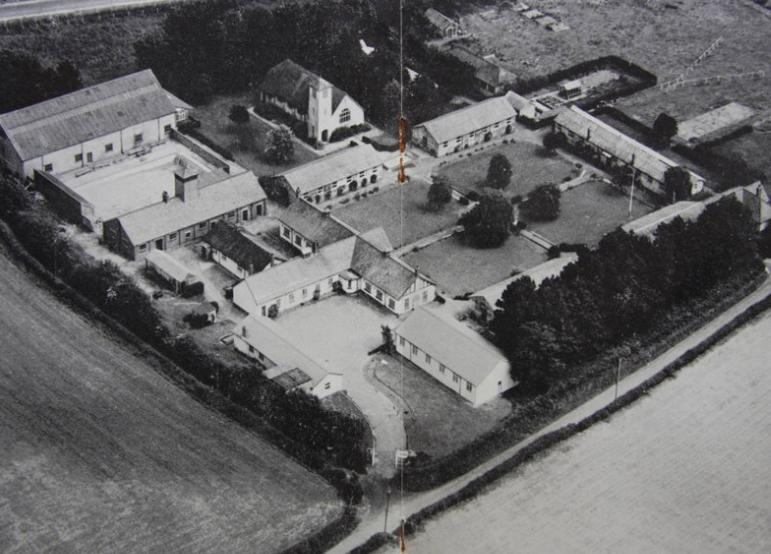
St. Athan's Boy's Camp, as it was originally known, opened in 1925 for an experimental two-week period and was deemed a success, although additional facilities were needed before it could open permanently. In 1926 a donation was made for a sanitation block and water supply but the General Strike that year meant that the official opening had to be delayed until 1930 with the last buildings being completed in 1938.
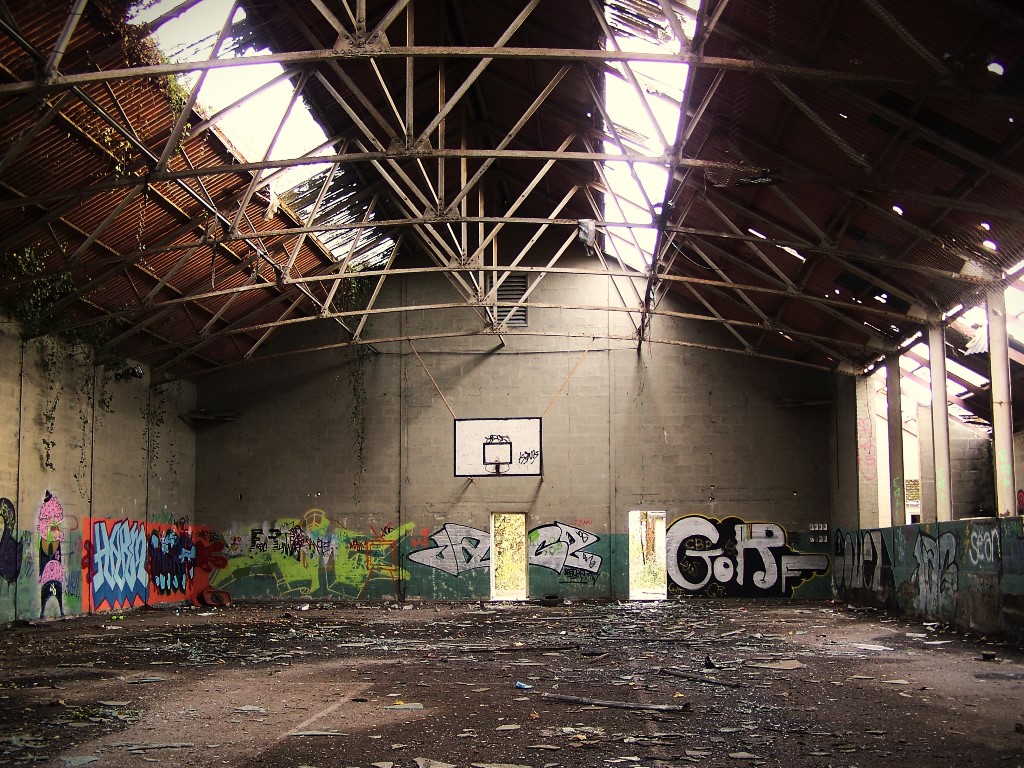
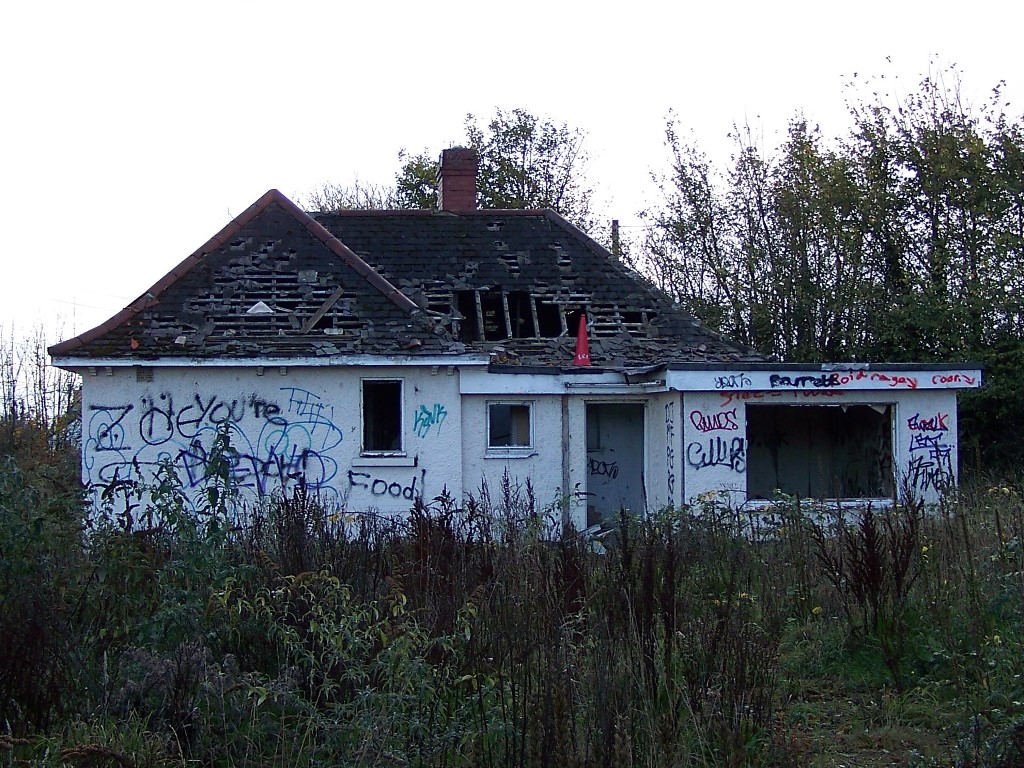
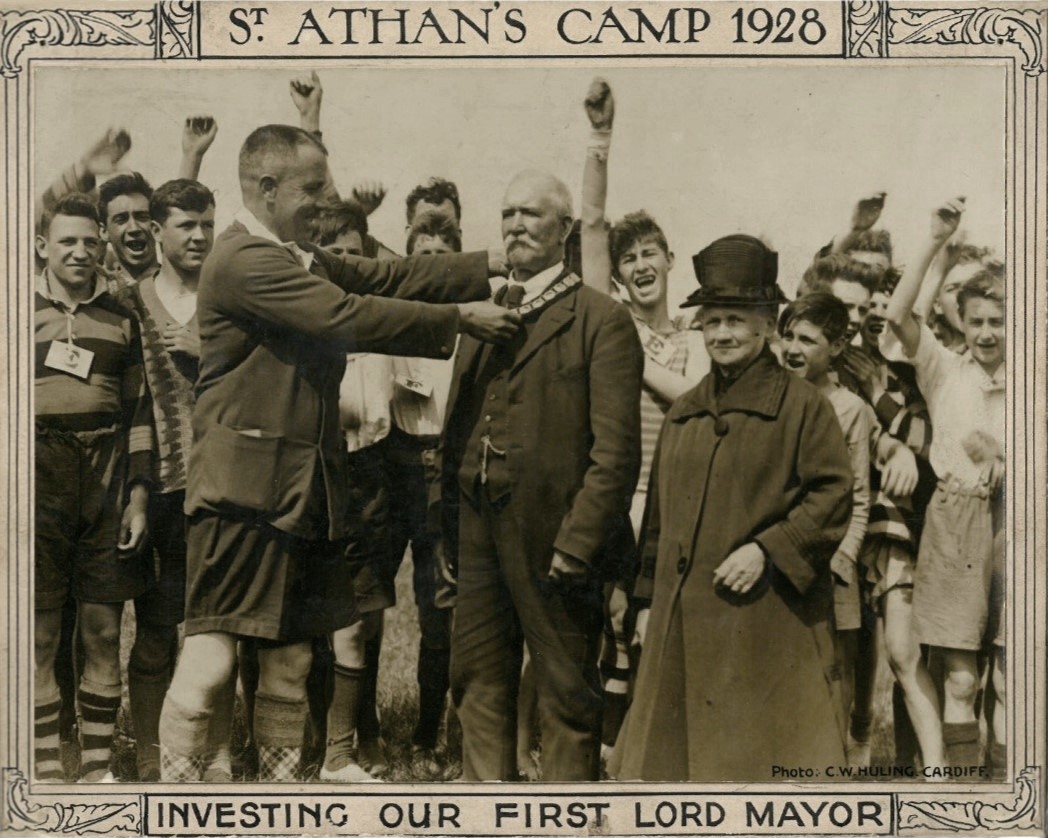
The site, designed for 100 boys aged 12 to 18, was well-equipped with two dining halls, dormitories, workshops, concert and sports halls, a swimming pool, putting green, tennis courts, football, rugby and cricket pitches, and a chapel. The camp was run on the firm foundations of co-operation, discipline, excercise and helping those less fortunate than onesself. Community and respect for elders were also vital to the camp's ethos and every year a retired miner and his wife would be elected 'Lord Mayor' and 'Mayoress' of the camp and put up free of charge in a specially-built holiday cottage.
The camp was requisitioned for military use in 1939, finding various military uses until it was finally returned to civillian use in 1946.
In 1962, the camp underwent a £20,000 refurbishment and was officially re-opened by HRH Queen Elizabeth the Queen Mother as St. Athan Boys' Village. The centre now catered not only for Boys from the coalfield, but for youth groups from across the UK and Europe; to cater for these new visitors an additional hostel, Glynn-Jones House, was opened in 1978 and a 56-bedroom conference centre followed in 1982.
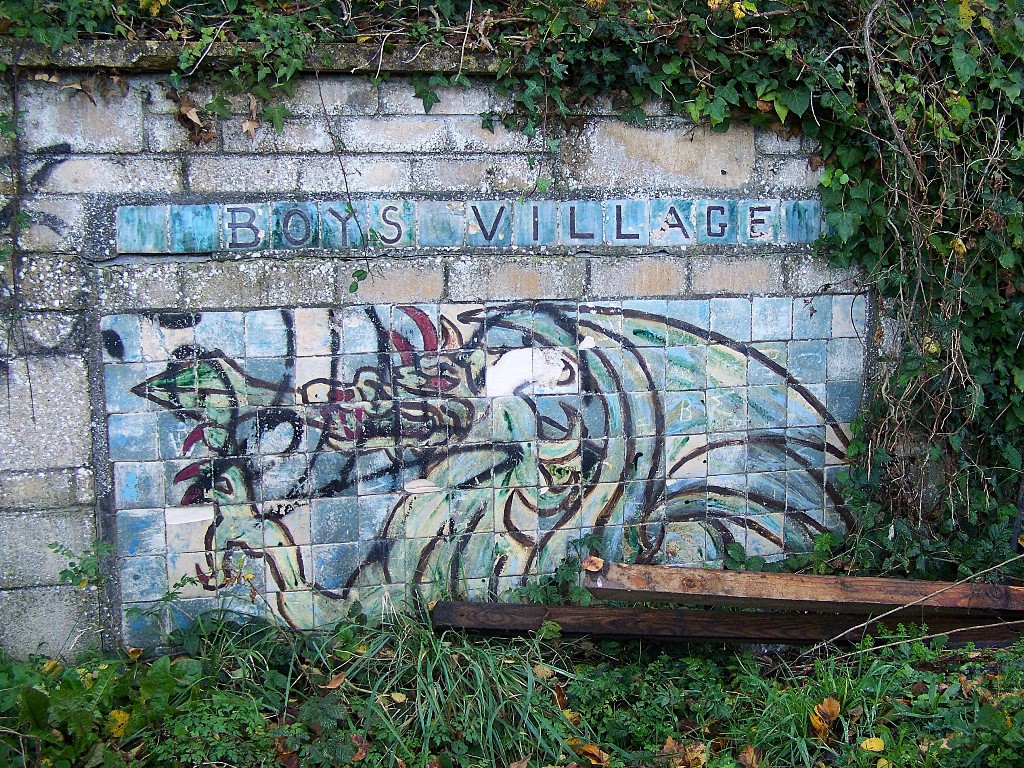
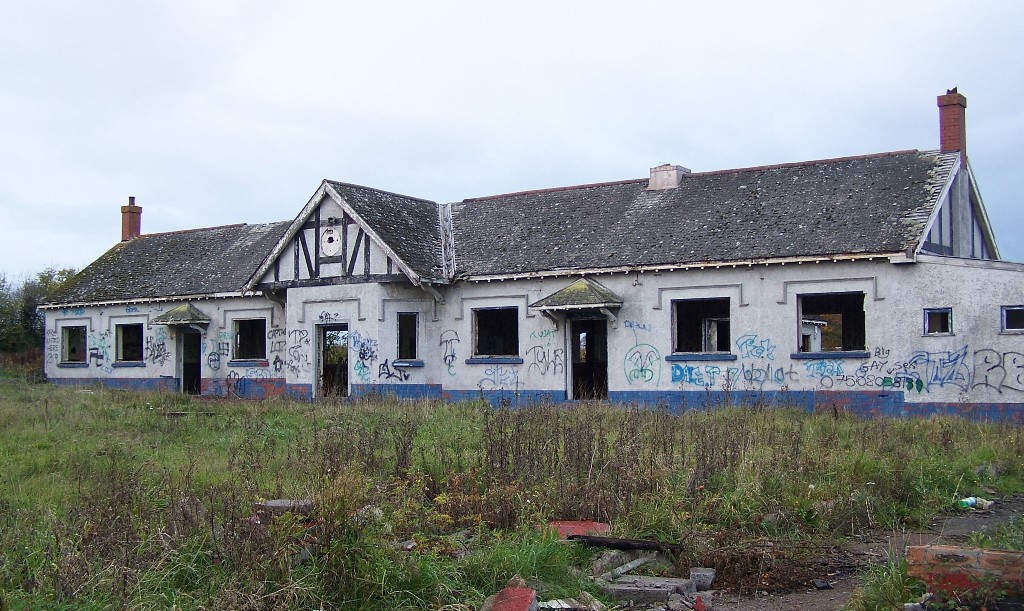
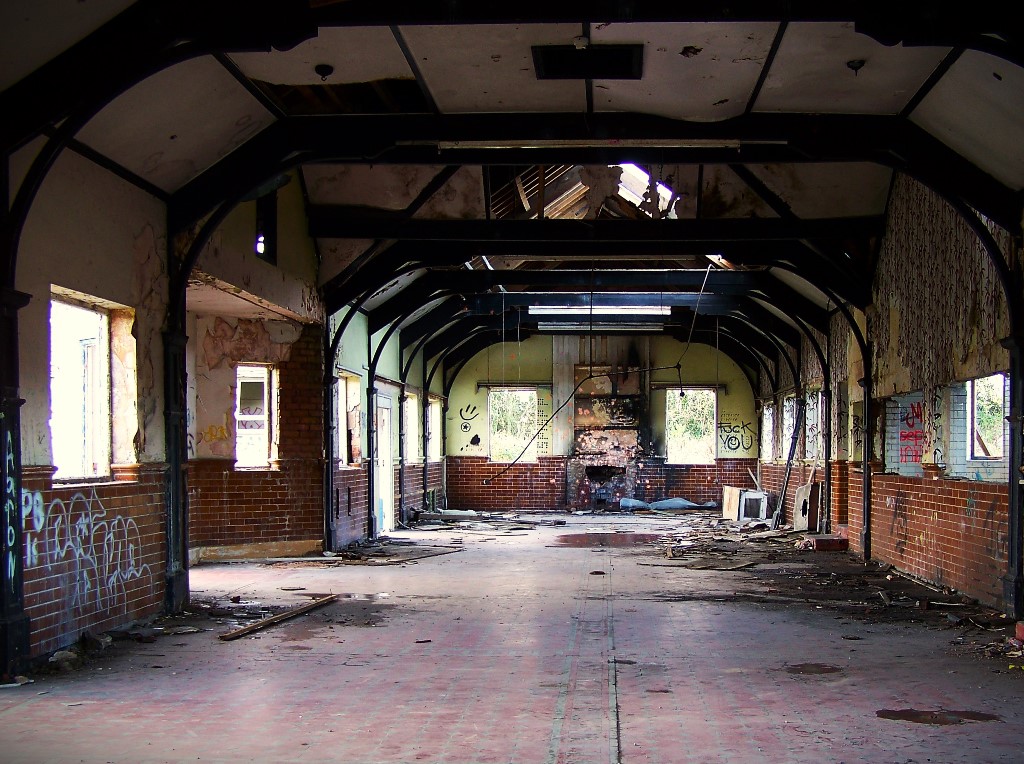
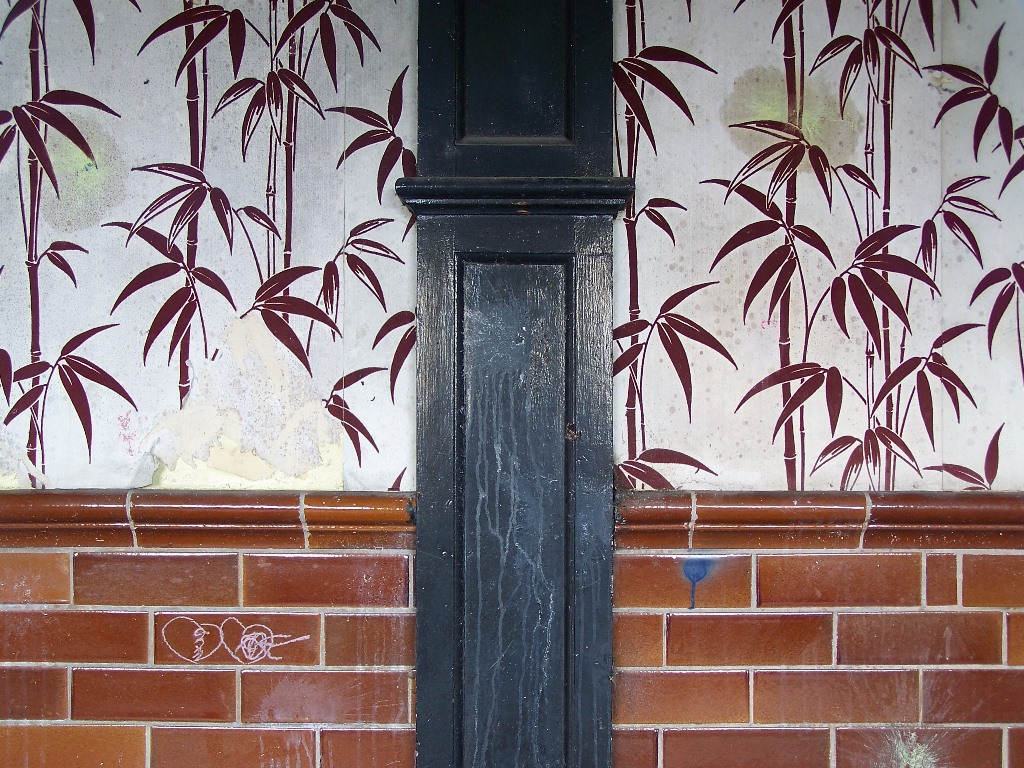
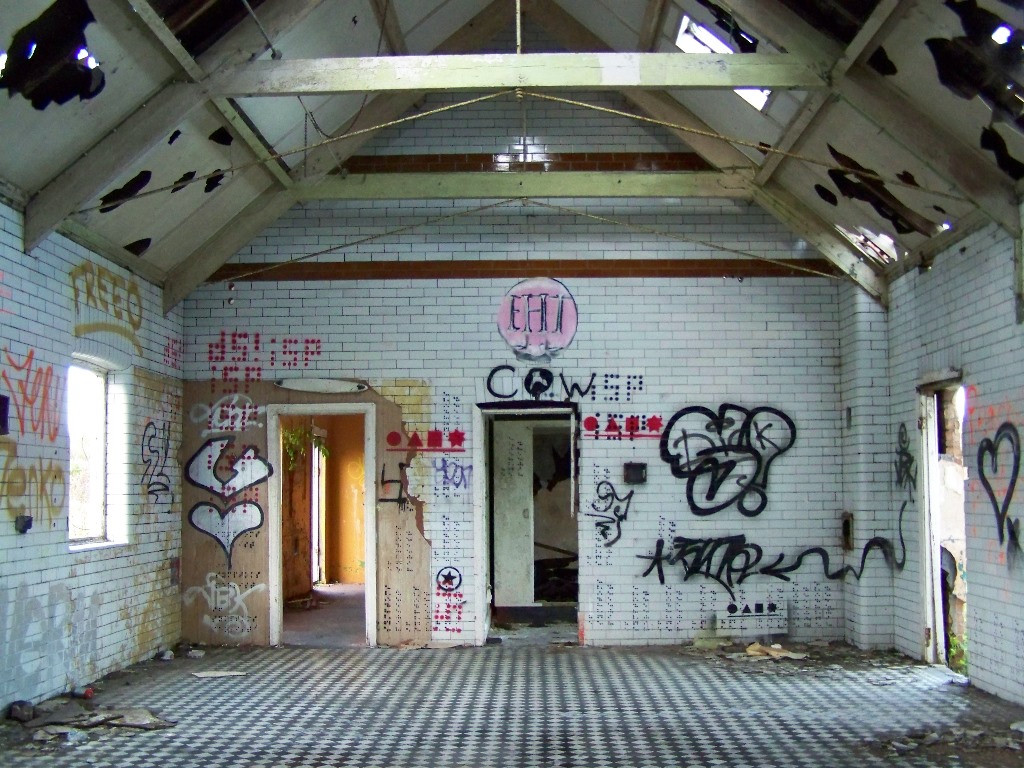
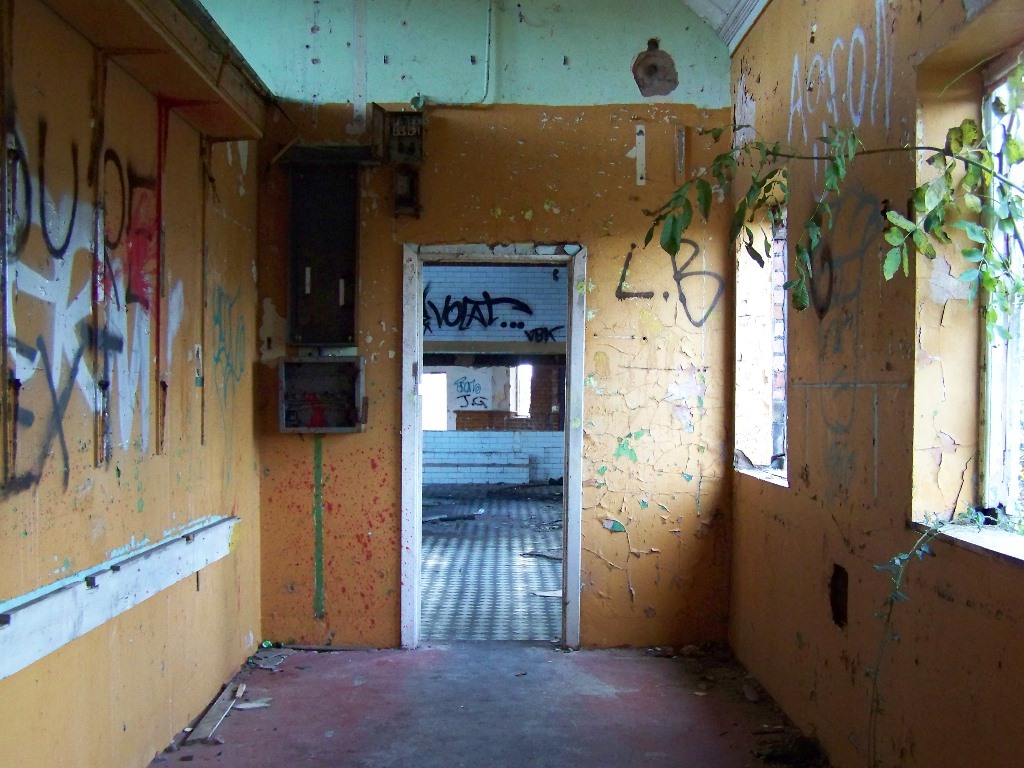
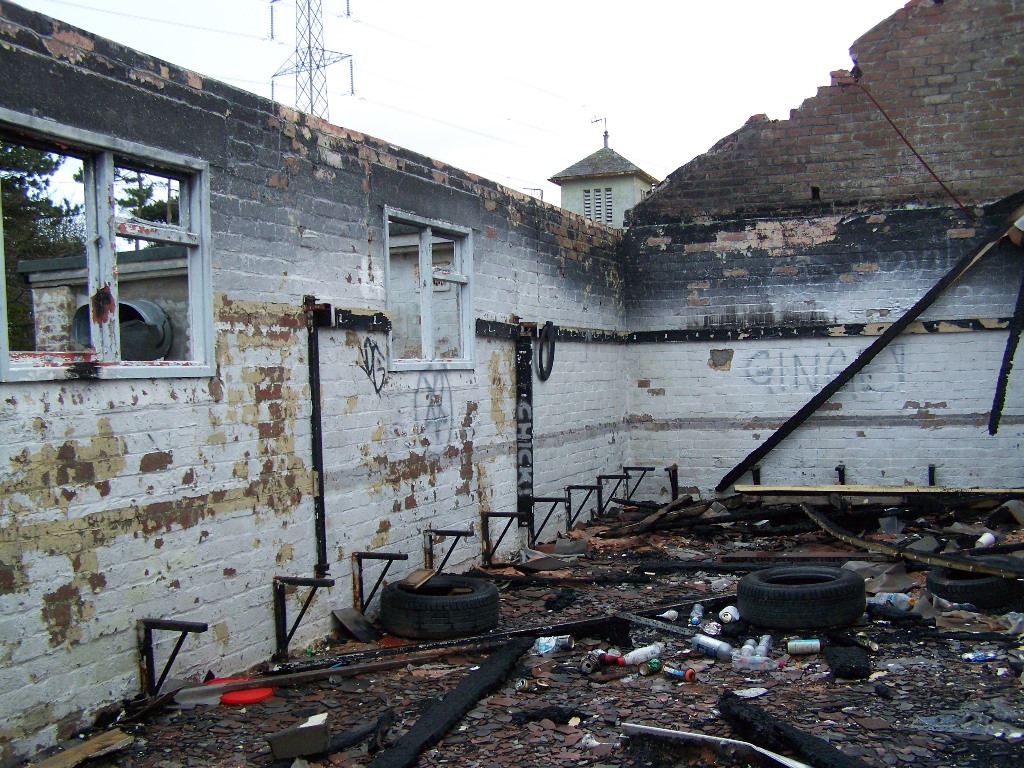
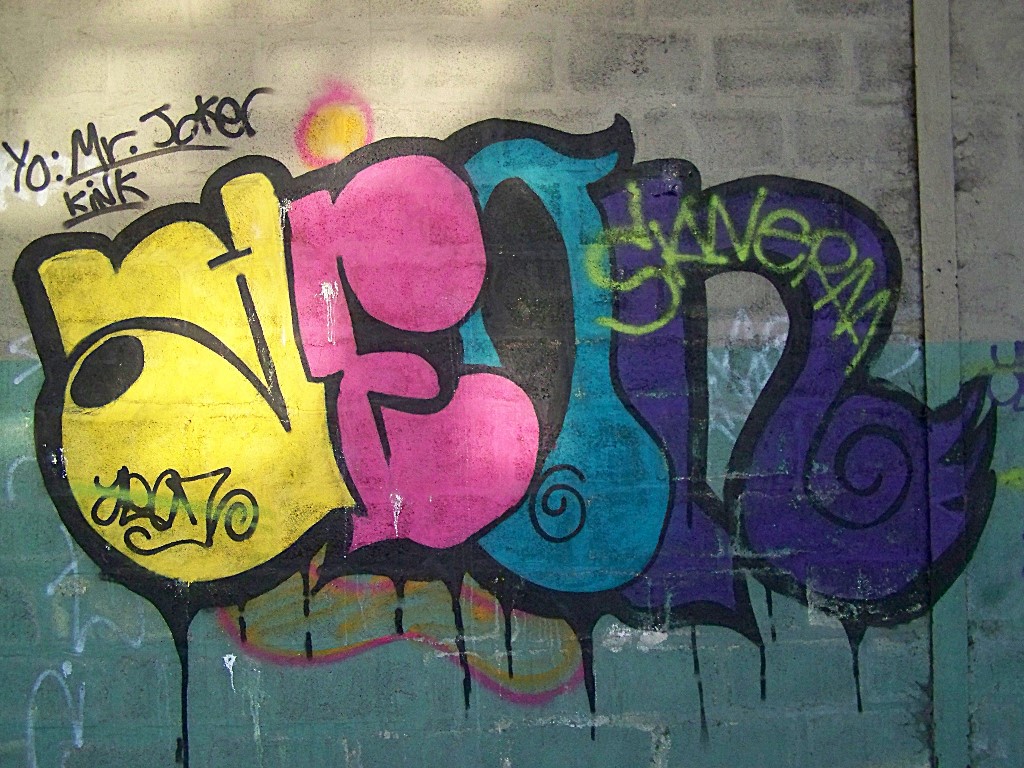

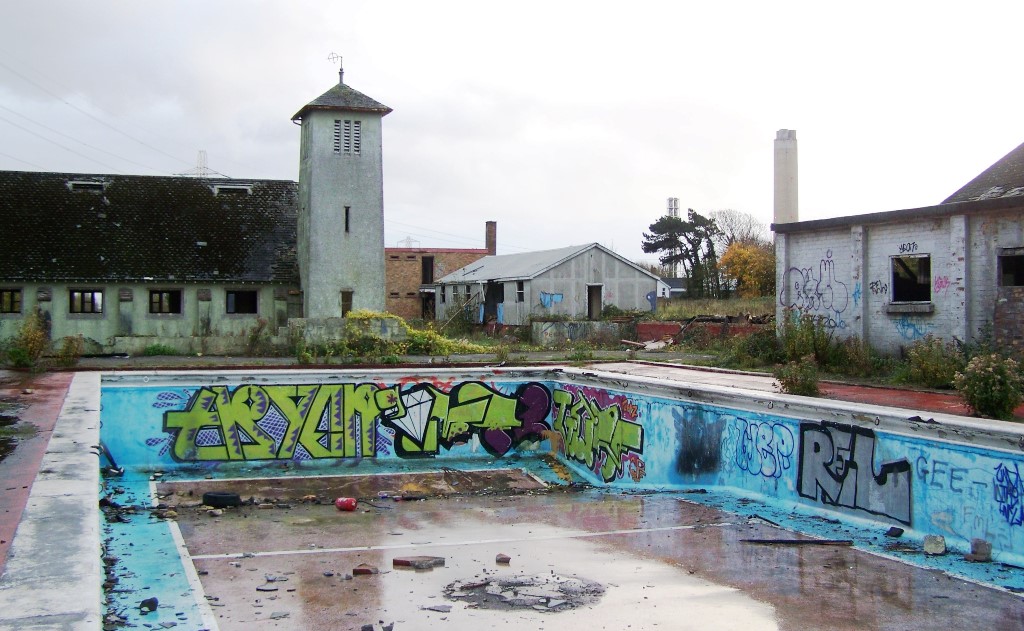
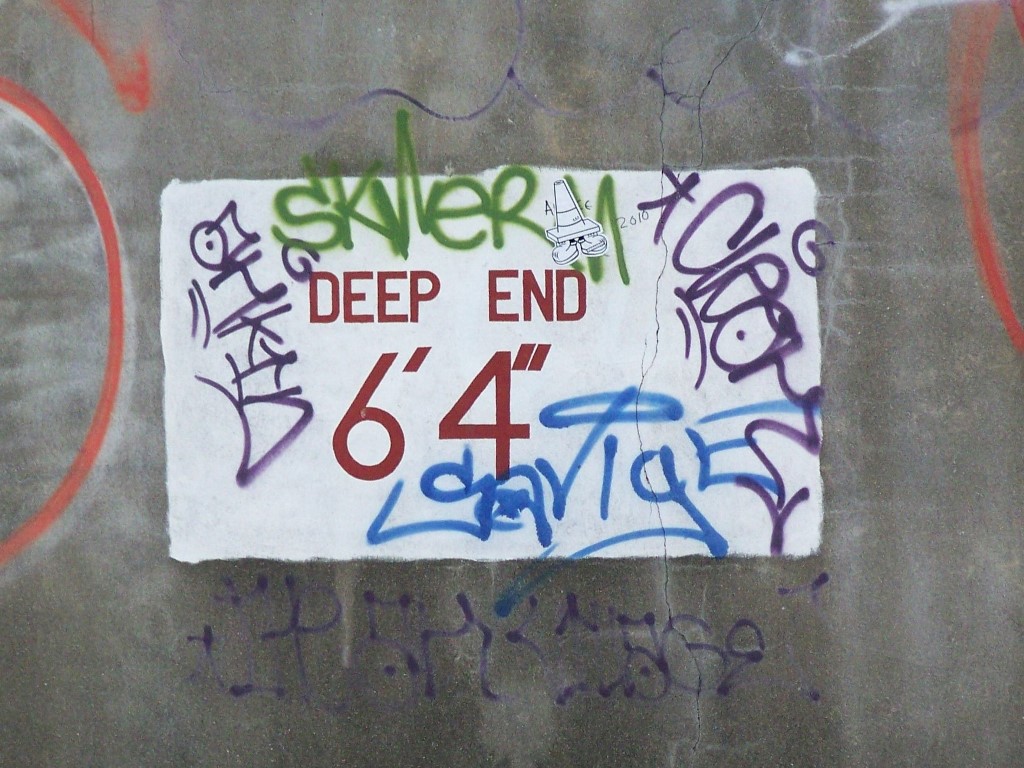
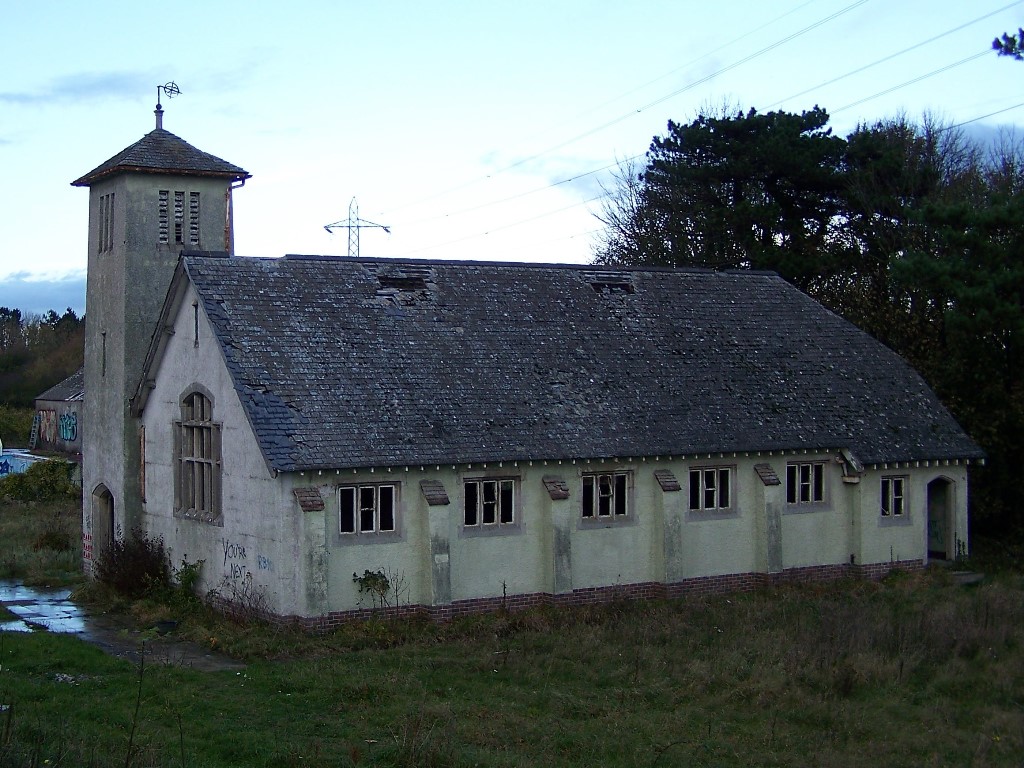
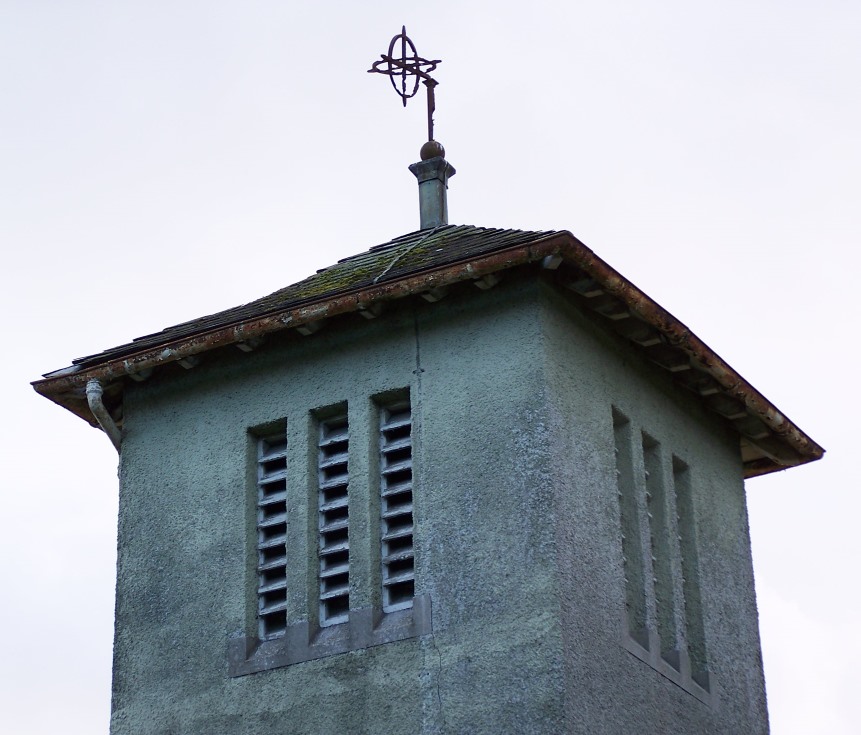
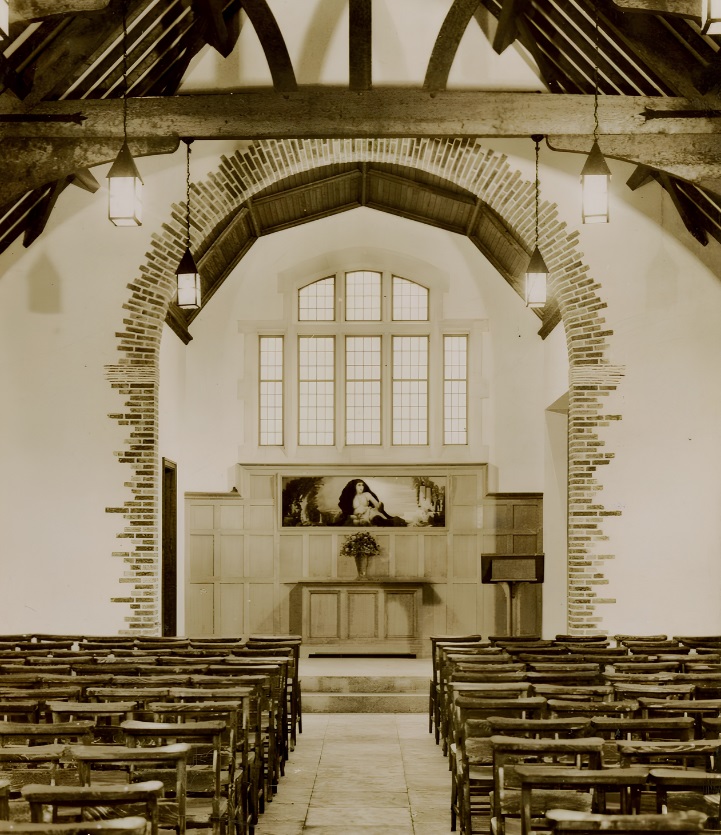
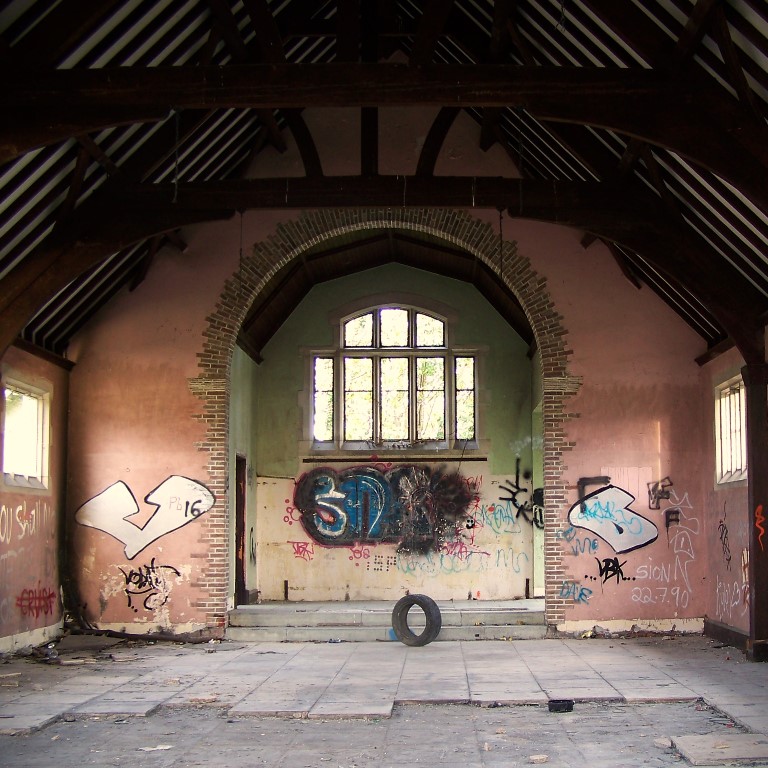

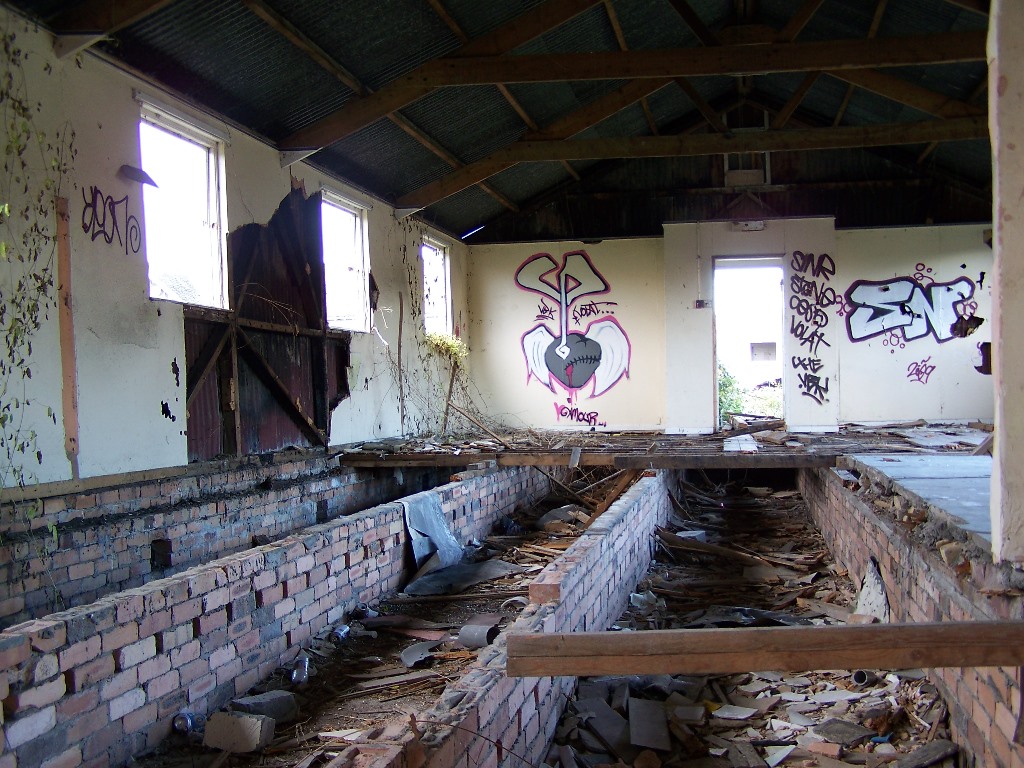
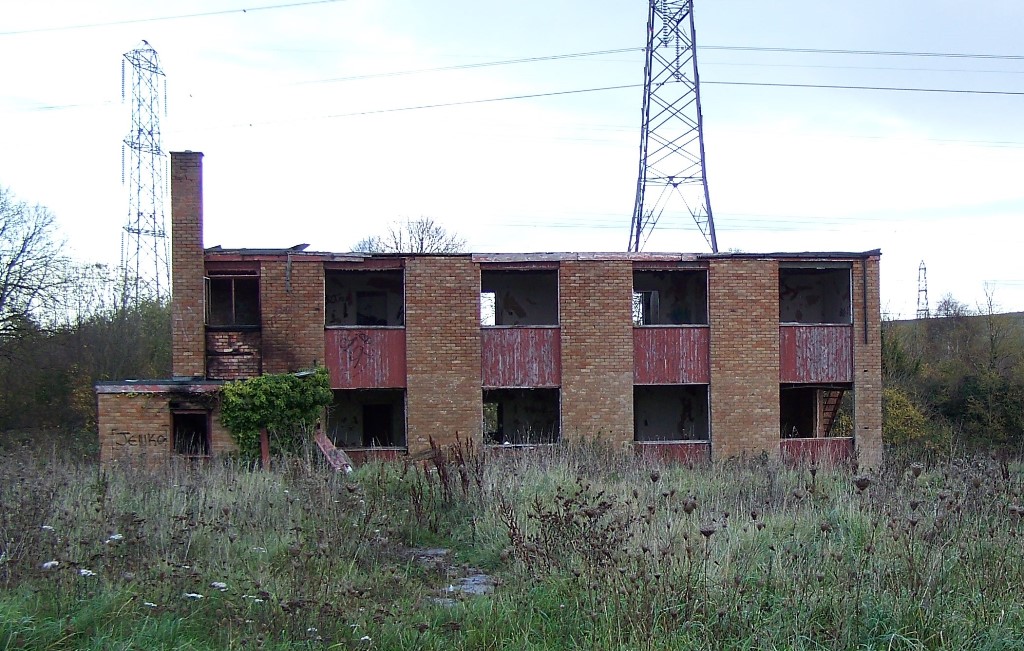
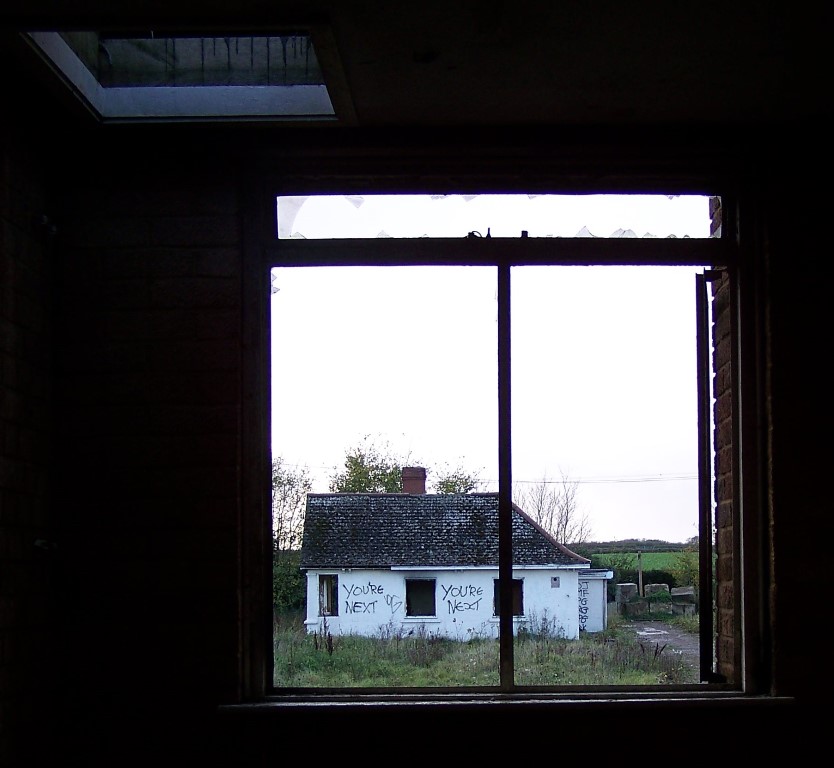
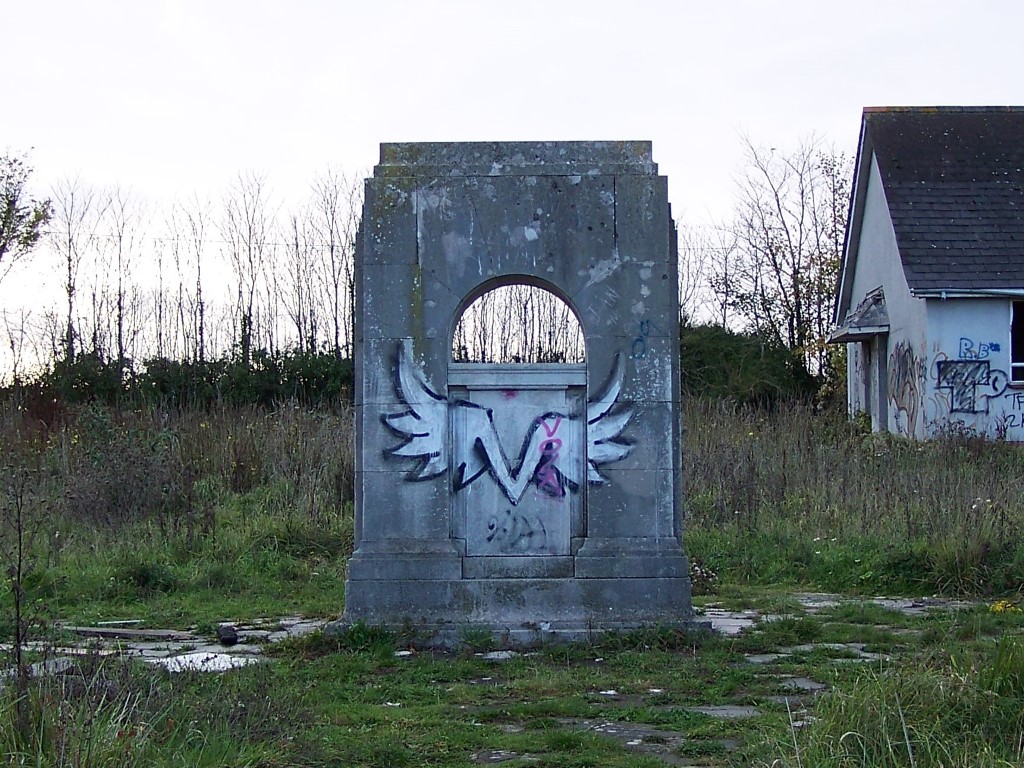
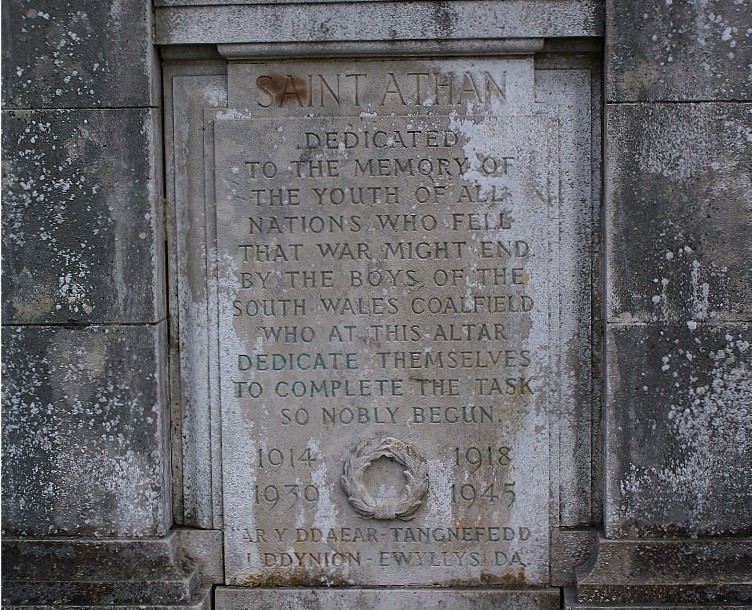
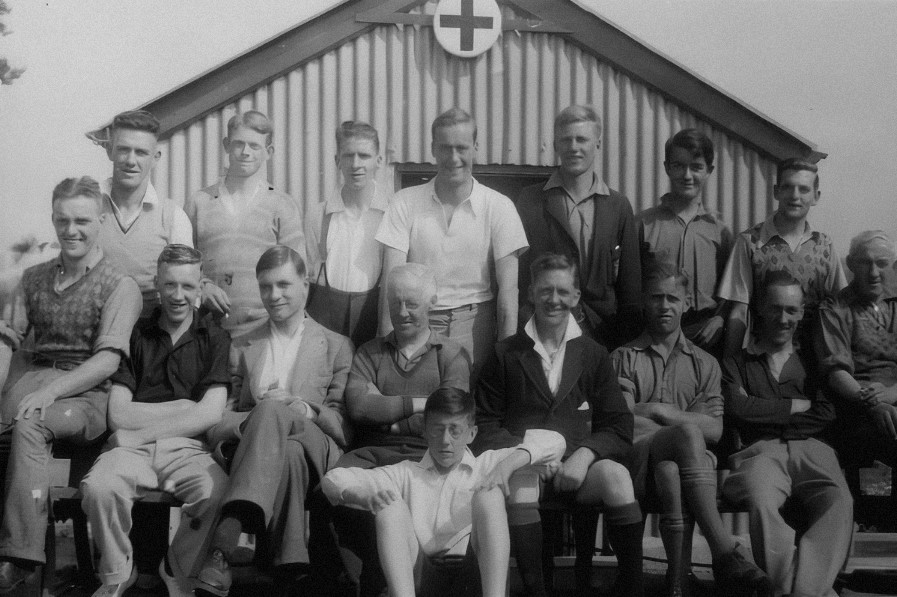
The Boys' Village continued to provide a retreat for young people through the '80s despite the decline of Welsh coal, the rise of cheap holidays abroad and the rather unappealing view of the coal-fired Aberthaw Power Station, built in 1959. Increasingly however, dwindling attendances and high costs meant that clubs were more inclined to use the centre for weekend activities only. In 1990, facing extreme financial difficulties, the Boys' Clubs of Wales were forced to cease operating and the Boys' Village
closed for good.
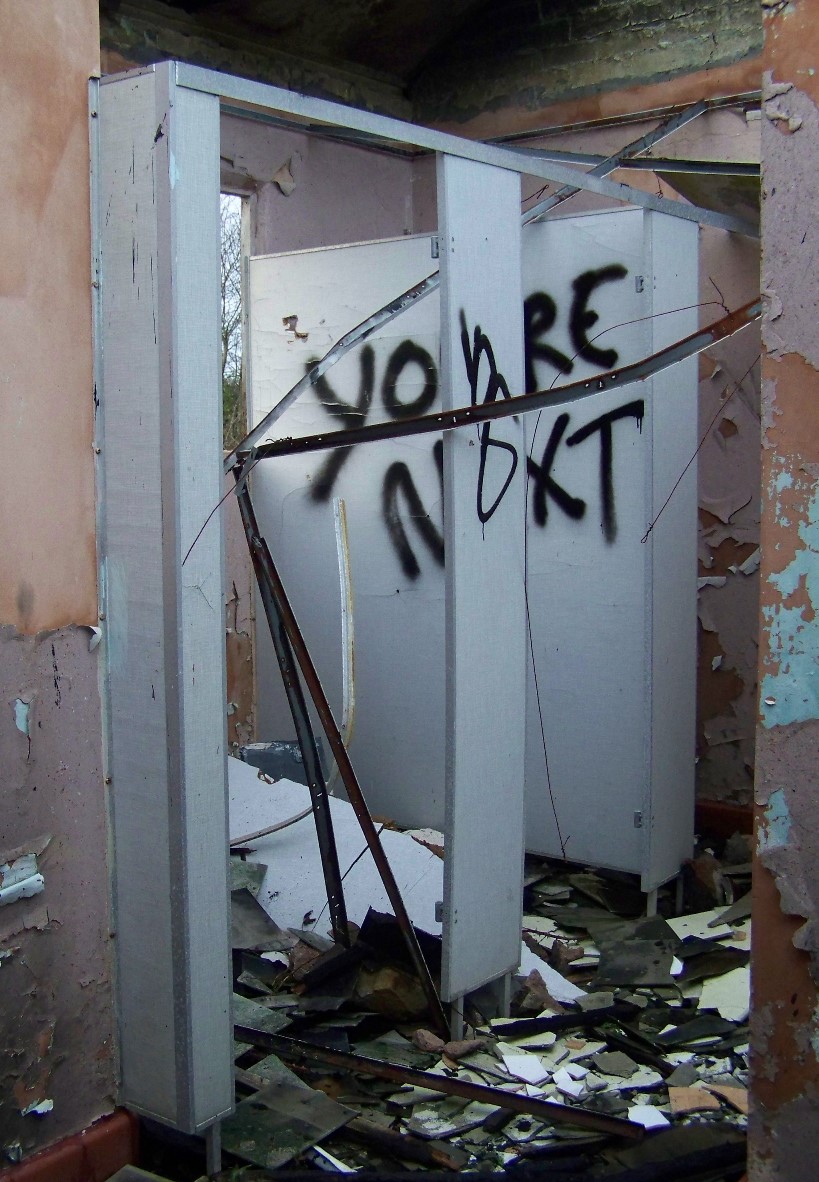
After closure the camp was used for residential Bible courses by various church groups before becoming a battleground for airsoft groups. Since then, without a permanent security presence, the village has become a target for metal theives, vandals and arsonists. Rumours have sprung up of a troubled past: abuse, murders in the church or fires that killed boys staying there but all, so far as I can ascertain, are patently untrue: the simple truth is that by the late '80s the Boys' Village had become both outdated and expensive to maintain.
Current plans are to demolish all of the buildings on site except for the chapel and Lord Mayor's House and replace them with a development of between four and twelve houses. A local campaign was successful in securing a Grade II listing for the war memorial in 2011.