The Convent of Our Lady of Mount Carmel
Where: Hunston, Sussex
Built: 1870-2, chapel 1930
Architect: Charles Alban Buckler; chapel by Sebastian Pugin-Pewell
Abandoned: 2007
Listed: No.
Visited: 2009-10, 2015
Last Known Condition: Converted for use as a school.
Page Updated: June 2019
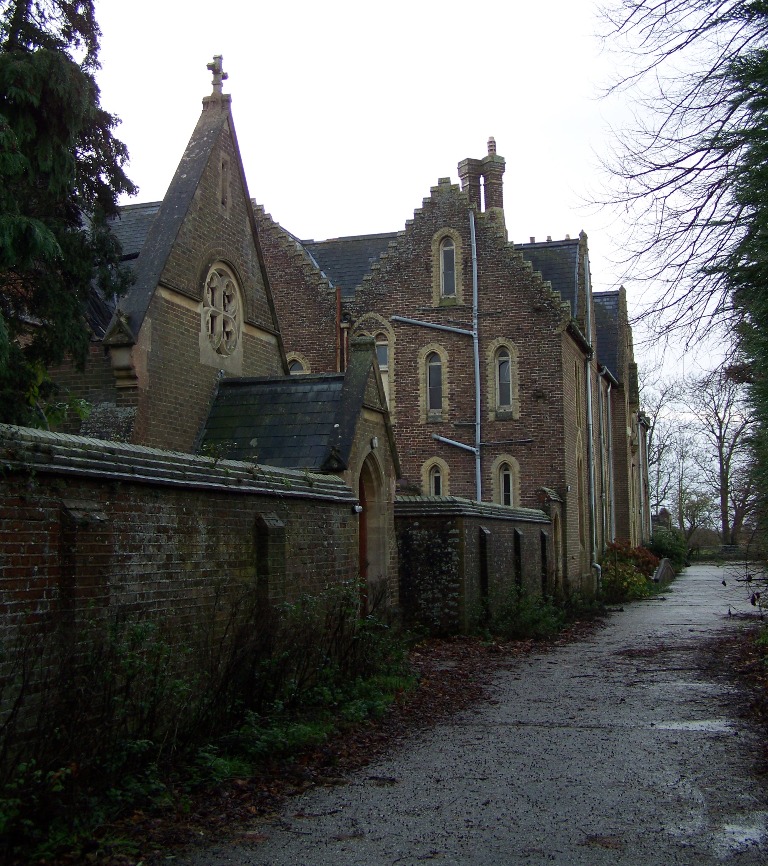
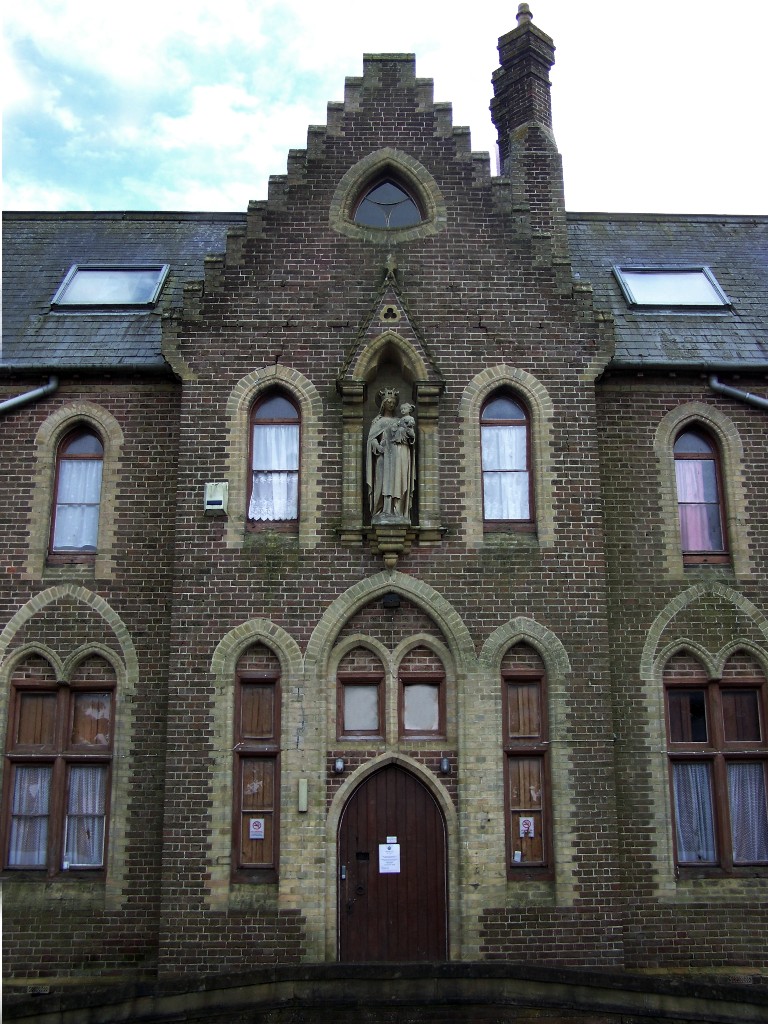
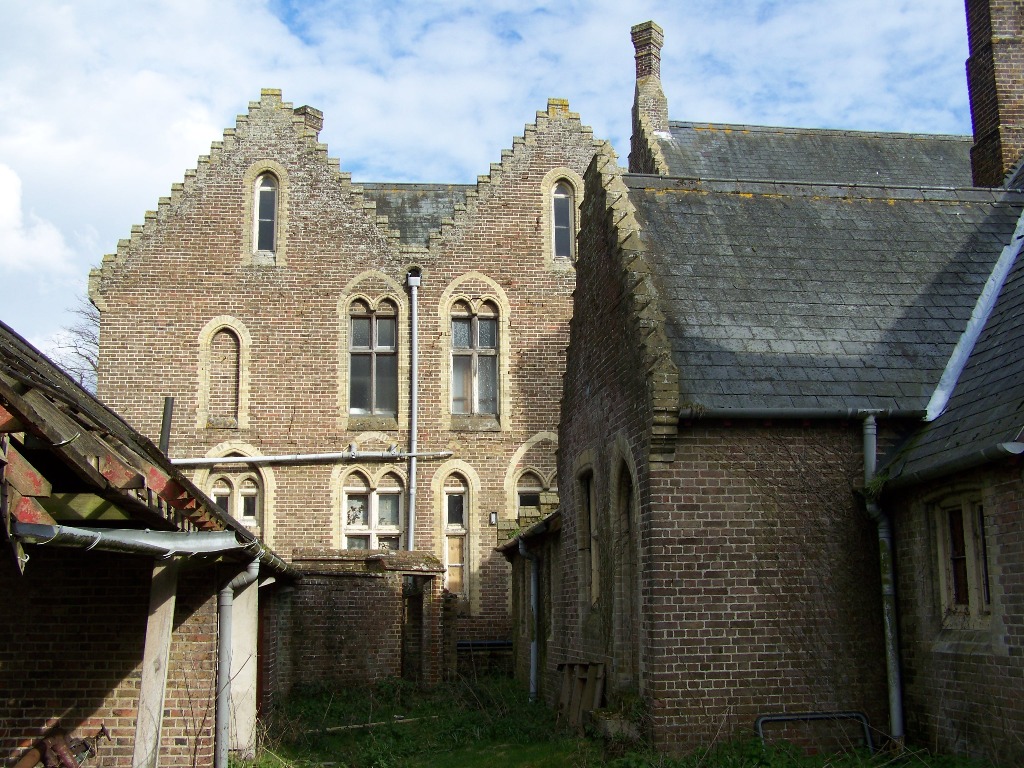
The Carmel of Hoogstraet was established in Holland in 1678 for English girls who wished to follow a religious vocation but were forbidden from doing so in their home country by penal law. Although Catholics had effectively been emancipated by the early 19th Century, it was not until 1870 that the Carmel was able to find a permanent home in England. Aided by a large bequest, a suitable site was found to the south of the city of Chichester and purchased for £1,300. Eminent Catholic architect Charles Alban Buckler was appointed for the job and building began in August 1870.

Initially, it was intended that the community should stay in France until the convent was completed but the outbreak of the Franco-Prussian War forced the nuns to alter their plans, renting a house in North Mundham for £120 p.a.
Unfortunately the project's costs overran before the chapel could be built and the Mother Superior, Mary Baptist, refused to incur the debt necessary for its completion. Instead the nuns' preparatory was arranged as a chapel and choir. The nuns took possession of the convent on 28th April 1872 and the first Mass was said on 4th May.
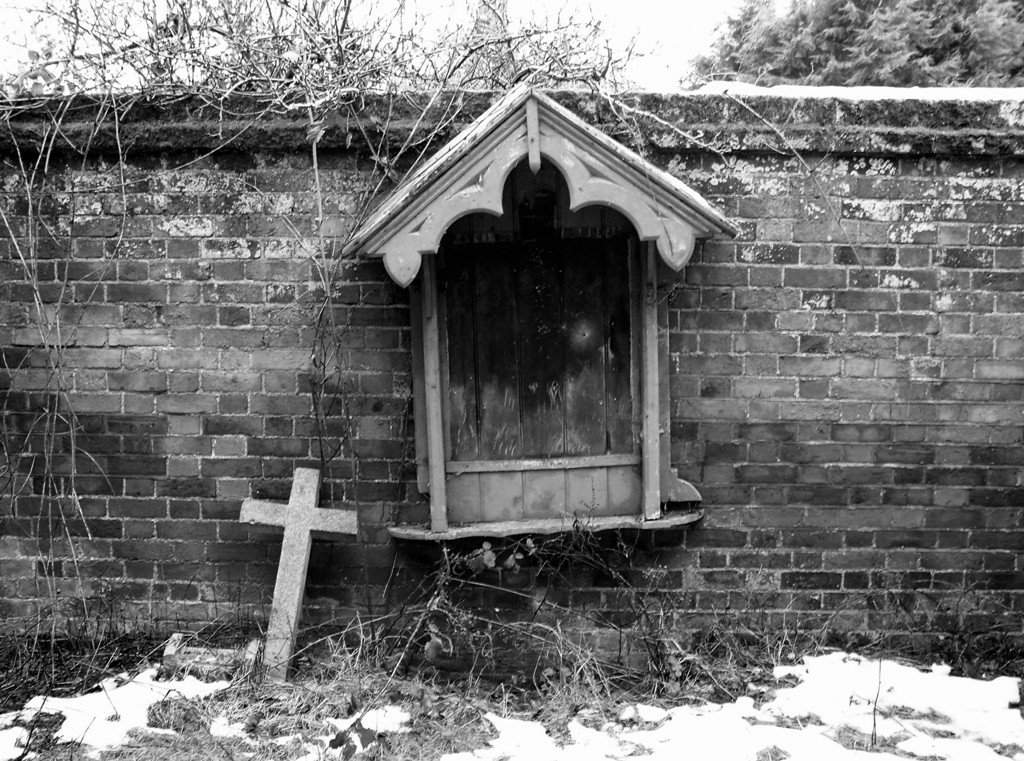
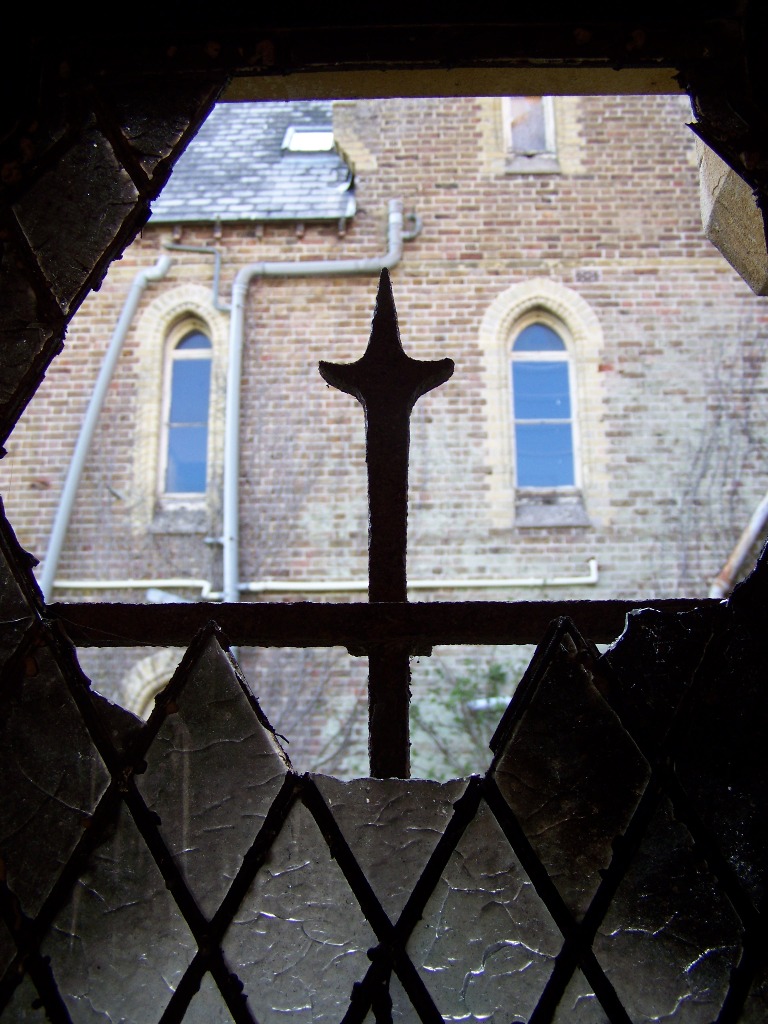
The nuns aimed to live a life of unceasing prayer, 'nourished supremely by faith, hope and charity'. Carmelites are an 'enclosed order' and as such the sisters did not engage with the (secular) world outside the convent unless absolutely necessary: alms were dispensed through a hatch in the door and although the chapel was open for public worship, the congregation and the sisters were always separated by an iron grille.
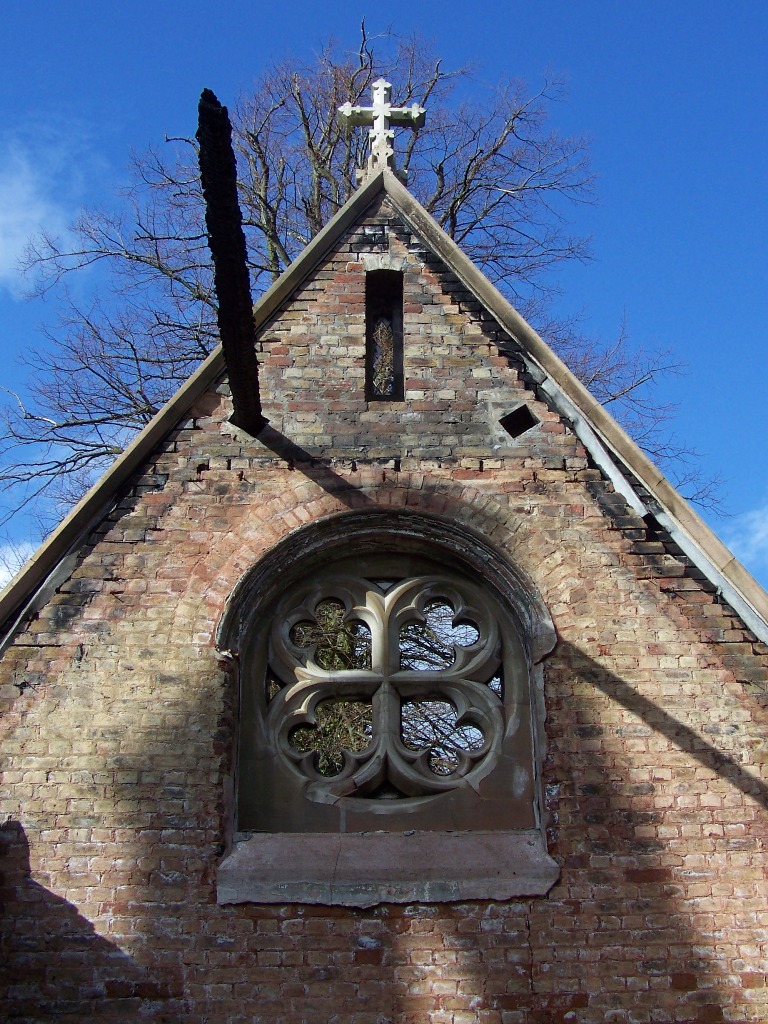
In 1930 a generous legacy allowed the building of a new church, which was done under direction of Sebastian Pugin-Pewell, grandson of the famous Augustus Pugin. The chapel was roughly L-Shaped, with the nuns' choir and public nave areas at right angles to each other, both facing the high altar.
By the 1970s the number of nuns had grown from 12 to 26, the peak of the community's prosperity. To help become self-sufficient the sisters began making altar breads which they sold to Catholic churches throughout the country.
By the early 1990s, however, numbers were declining and the community found the convent too large for its needs. With some reluctance it was decided that the sisters should join the Carmelite sisters Sclerder Abbey in Cornwall and that the buildings should be disposed of.
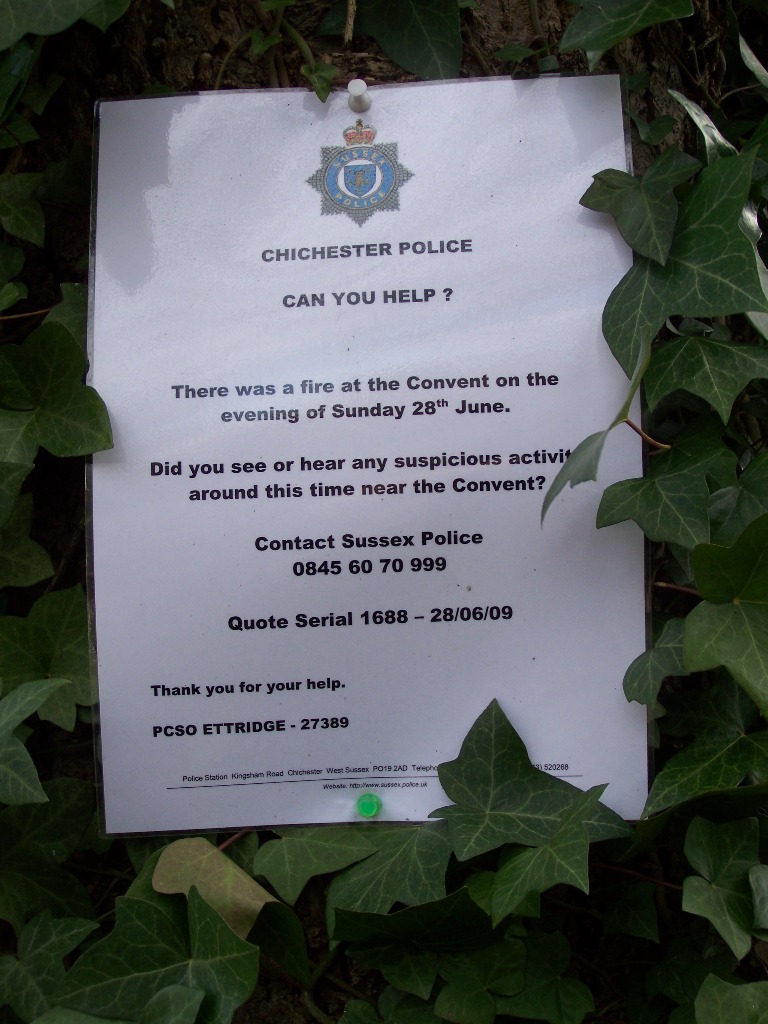
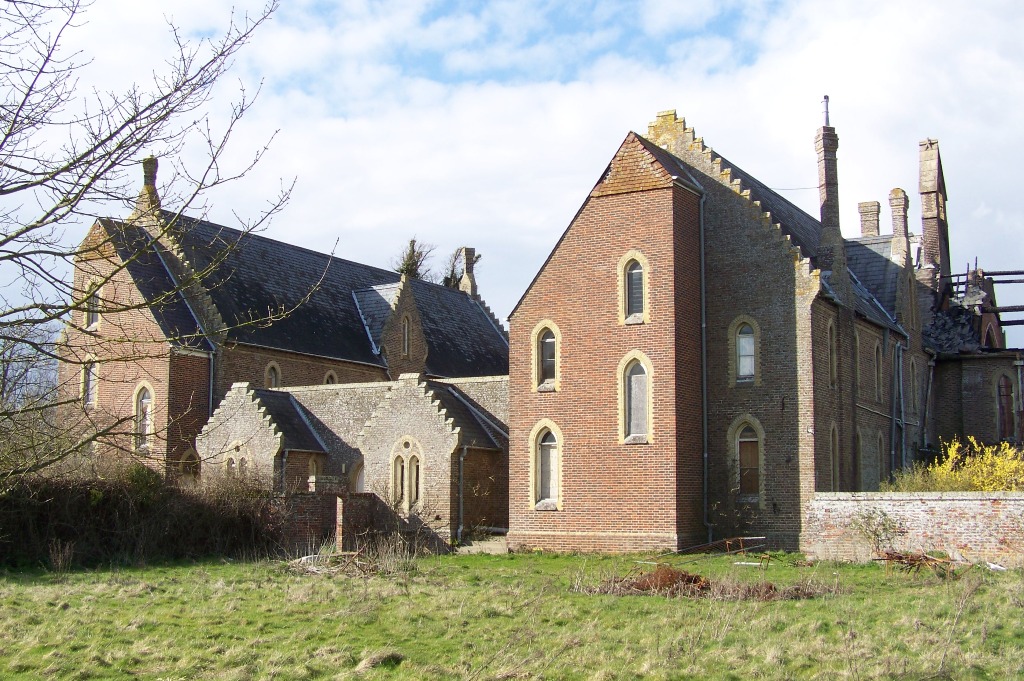
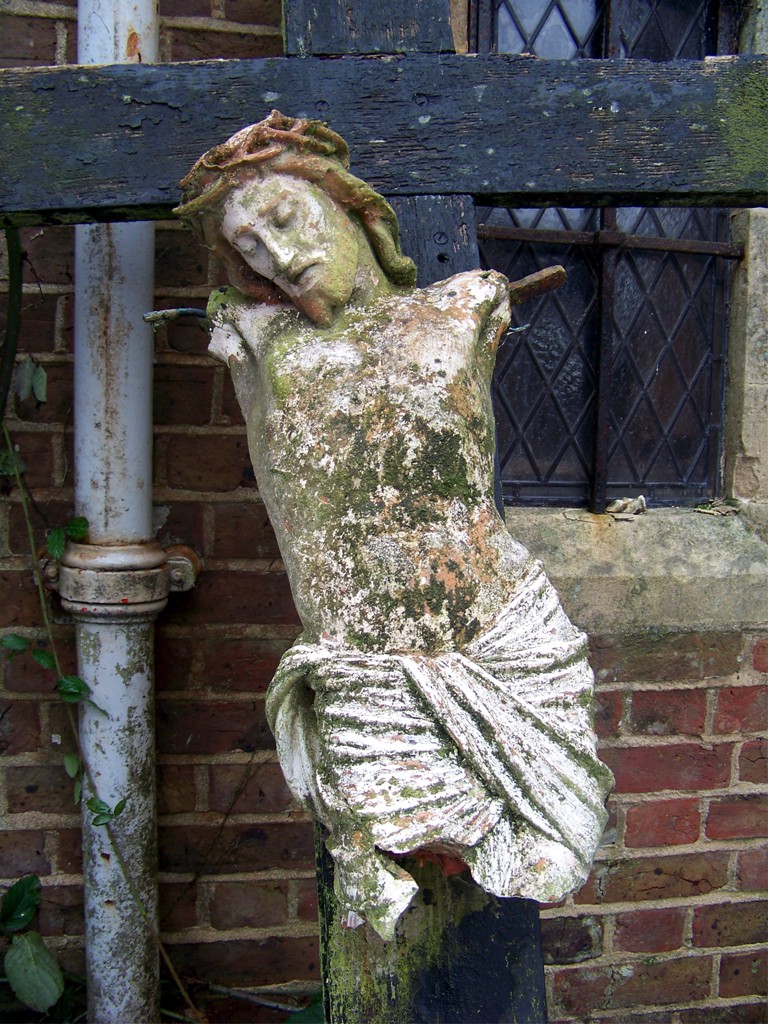
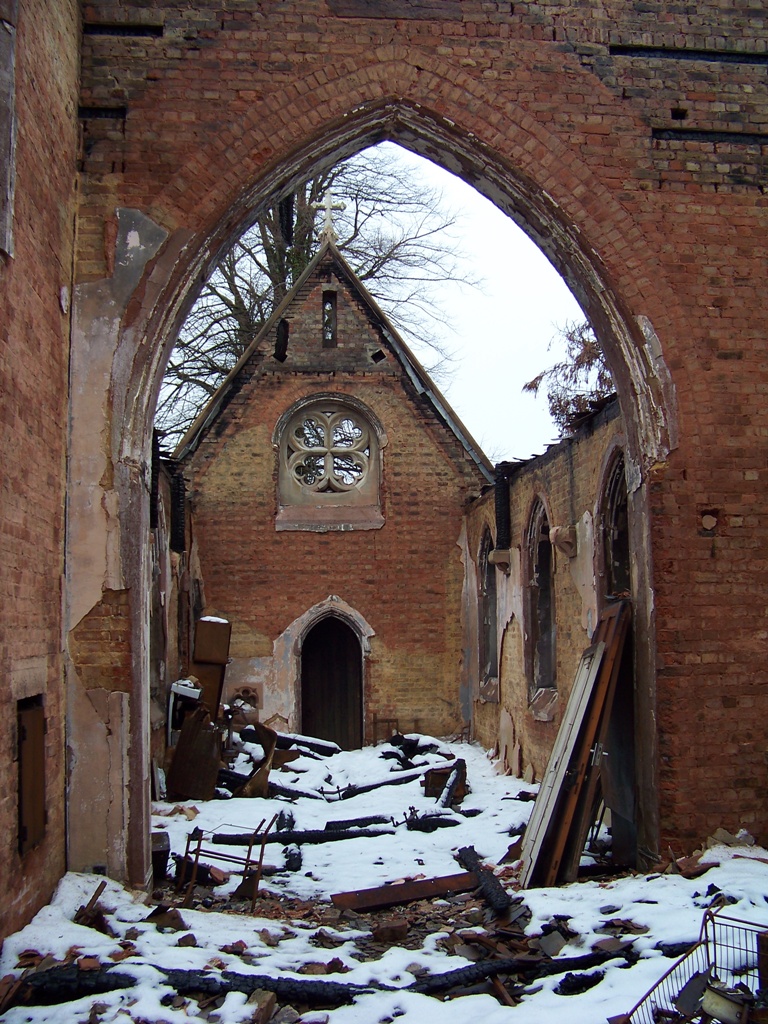
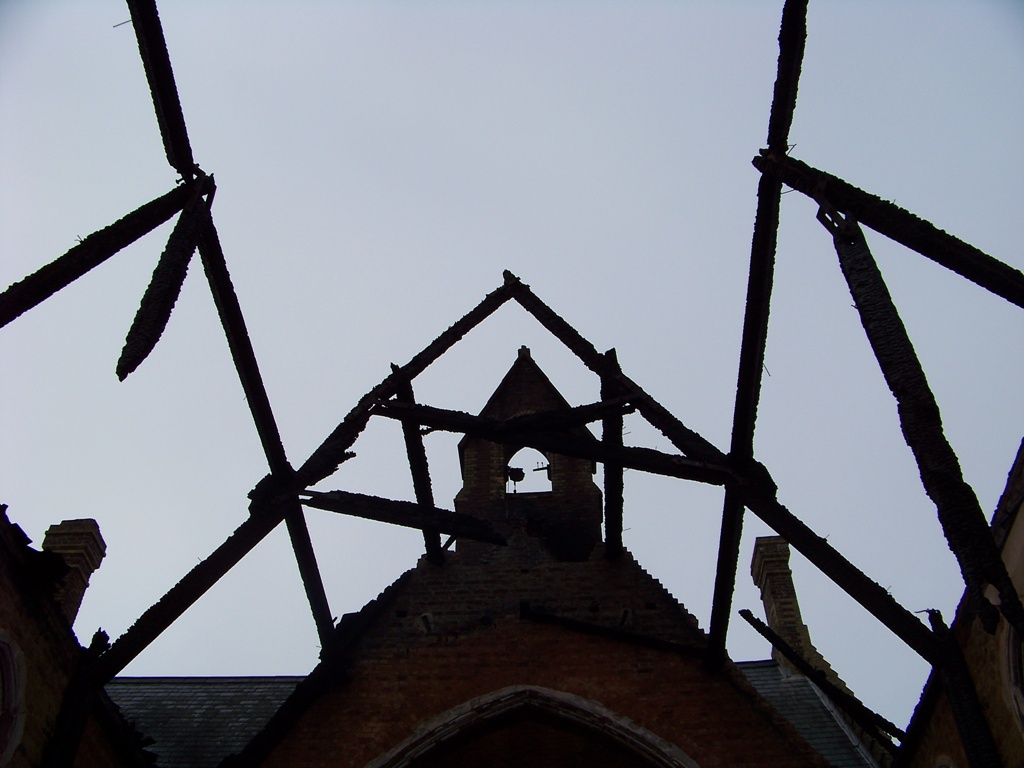
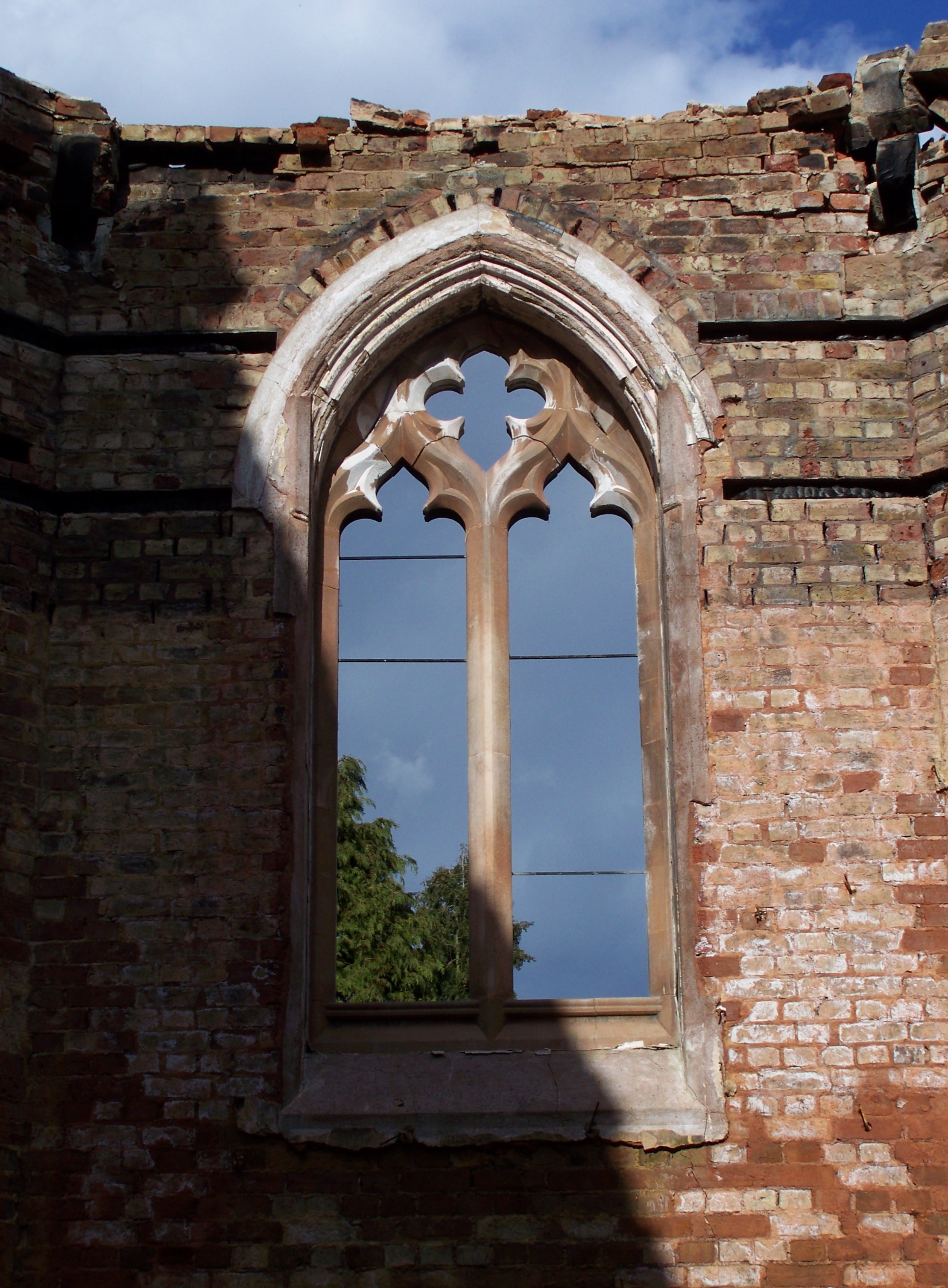
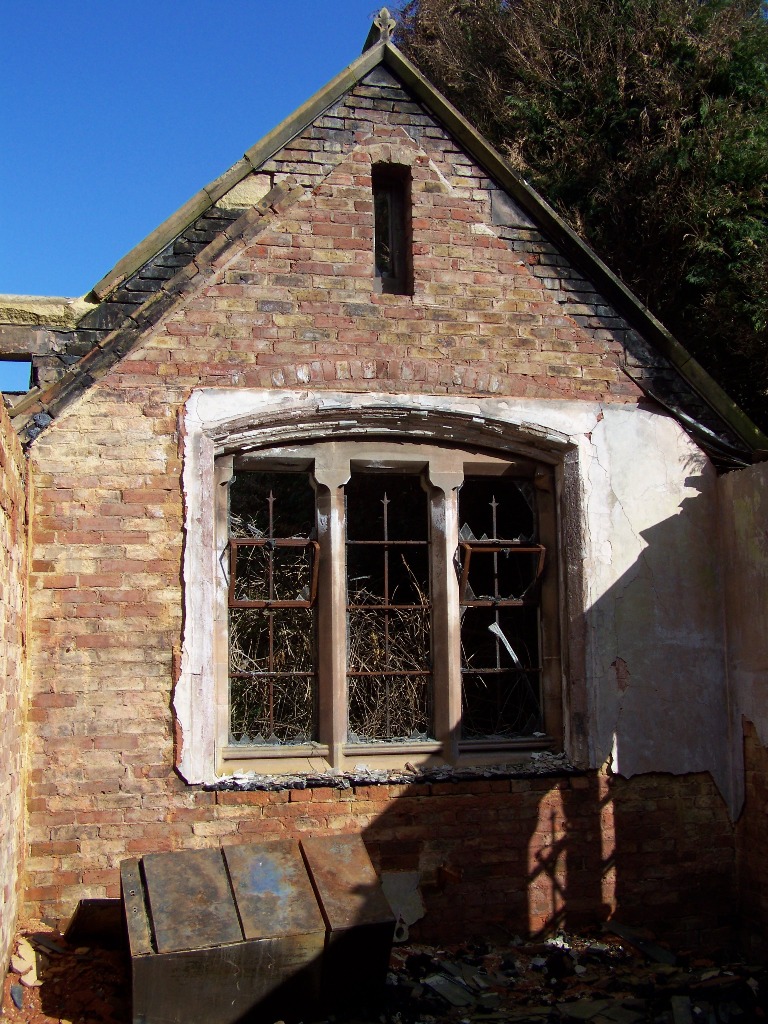
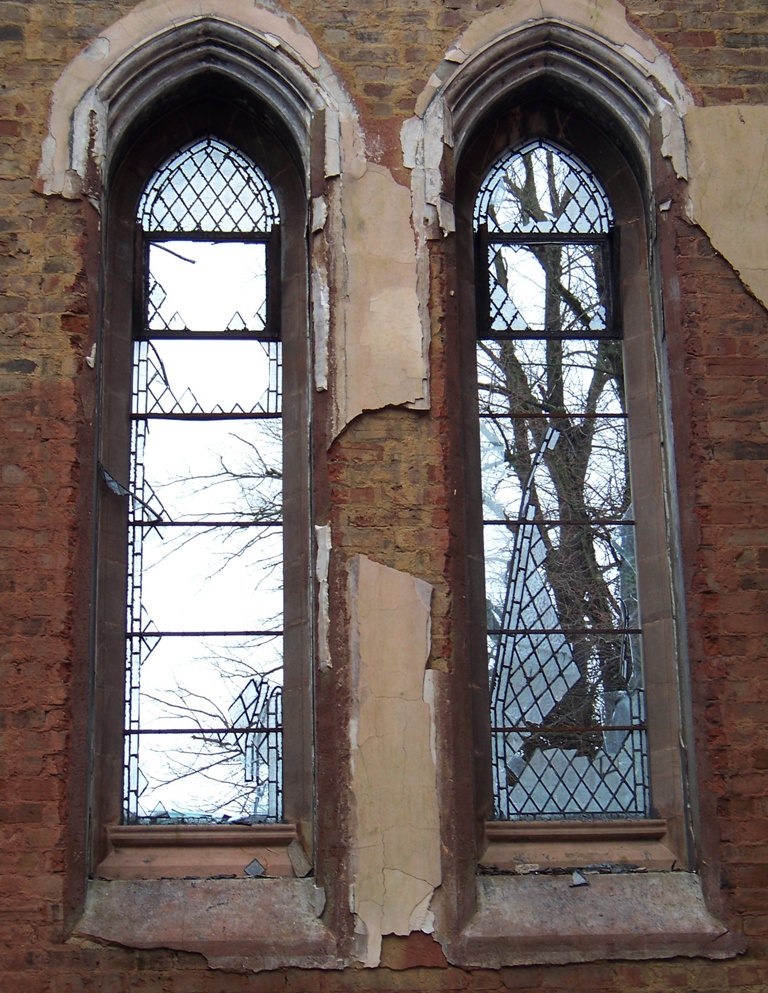
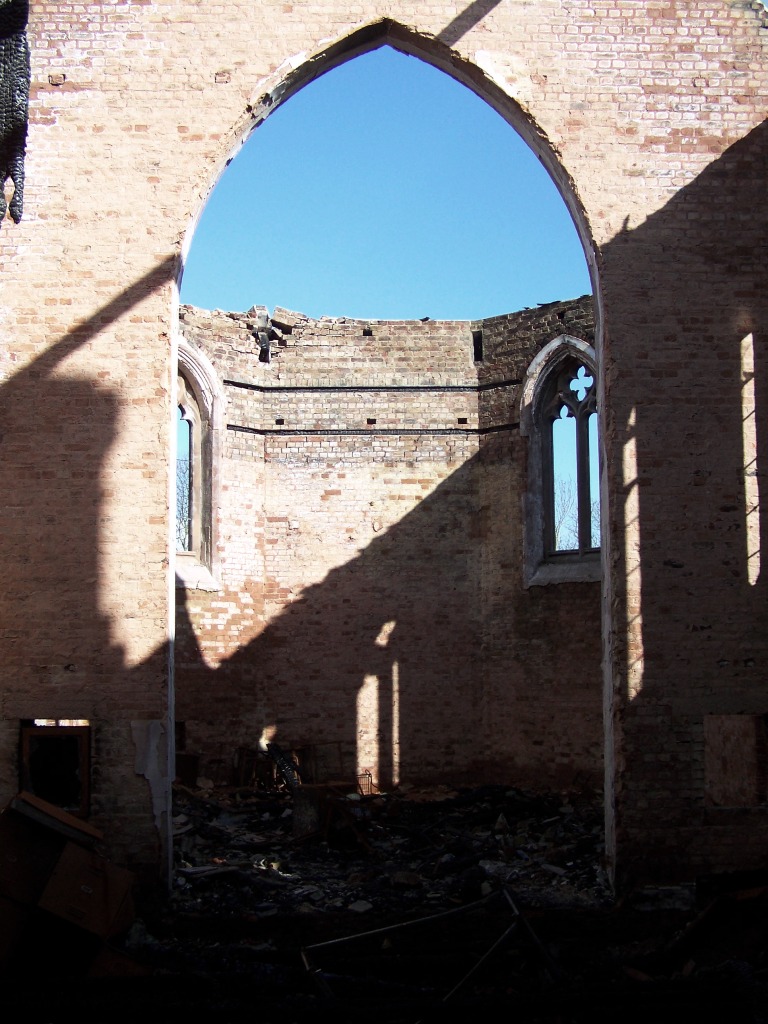
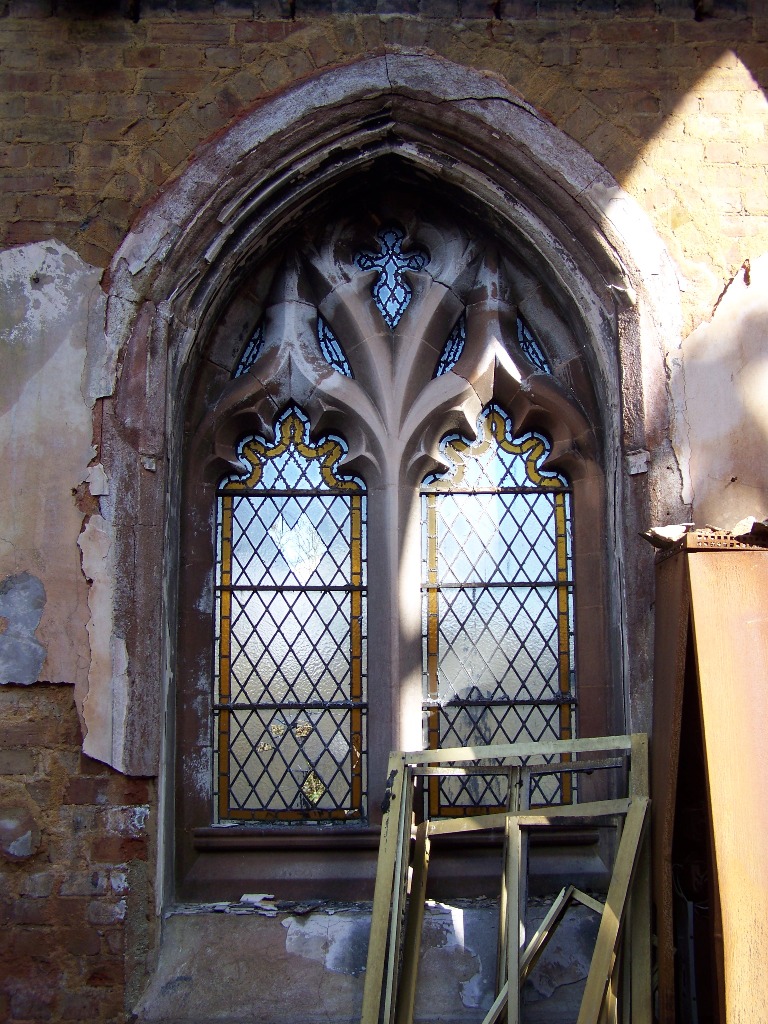
On December 10, 1994 the last sisters having left, the convent was sold for £650,000 to a recruitment agency who used it to house EU migrant workers on neighbouring farms. This carried on until 2007 when the workers were moved elsewhere. In 2009 a deliberately-started fire tore through the chapel leaving it roofless and derelict. To date no-one has been brought to justice.
Epilogue
In 2014 it was announced that the recently-established Chichester Free School was to convert, extend and occupy the old convent buildings. After a few set-backs in planning and construction, the school finally moved to the Hunston site in 2018.