Dorking Greystone Lime Works
Where: Betchworth, Surrey
Built: 1867-1938 in phases
Architect: Unknown
Abandoned: c. 1970
Listed: Grade II except works sheds
Visited: 2008, 2012, 2026
Last Known Condition: Poor, many structures are collapsing or lost in overgrowth
Page Updated: July 2026
The Grey or Middle Chalk outcrops above the villages of Brockham and Betchworth forming the huge tree-covered bulk of Box Hill, rising to 735 ft (224) at its peak. Below this is the Lower Chalk and deeper down are seams of hearthstone (a white sandstone which, as its name suggests, was sold as a mild abrasive for whitening stone hearths, doorsteps and window sills [1]), upper greensand and Gault clay. Some of these deposits have been worked for almost as long as humans have inhabited the area, but the most intensive exploitation of the hill for its minerals began in the 19th century when two neighbouring quarries came to dominate the landscape, leaving huge white scars which could be seen from over twenty miles away. The largest and most impressive of these was set into the hill behind Betchworth Railway Station.
The Dorking Greystone Lime Co. Ltd. was founded at Betchworth in 1865 by brothers Eustace and Charles Townsend Hook of Snodland paperworks, Kent; their chief product was hydrated lime made of the aforementioned grey chalk, used for making cement.
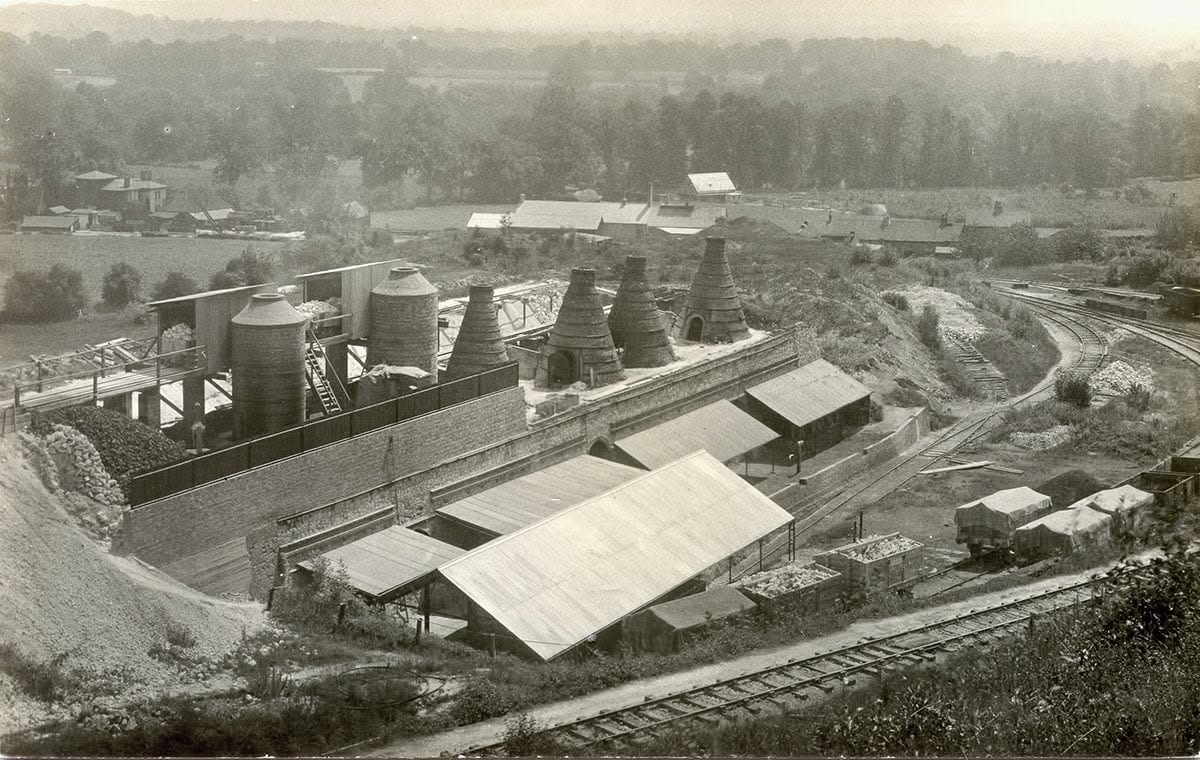
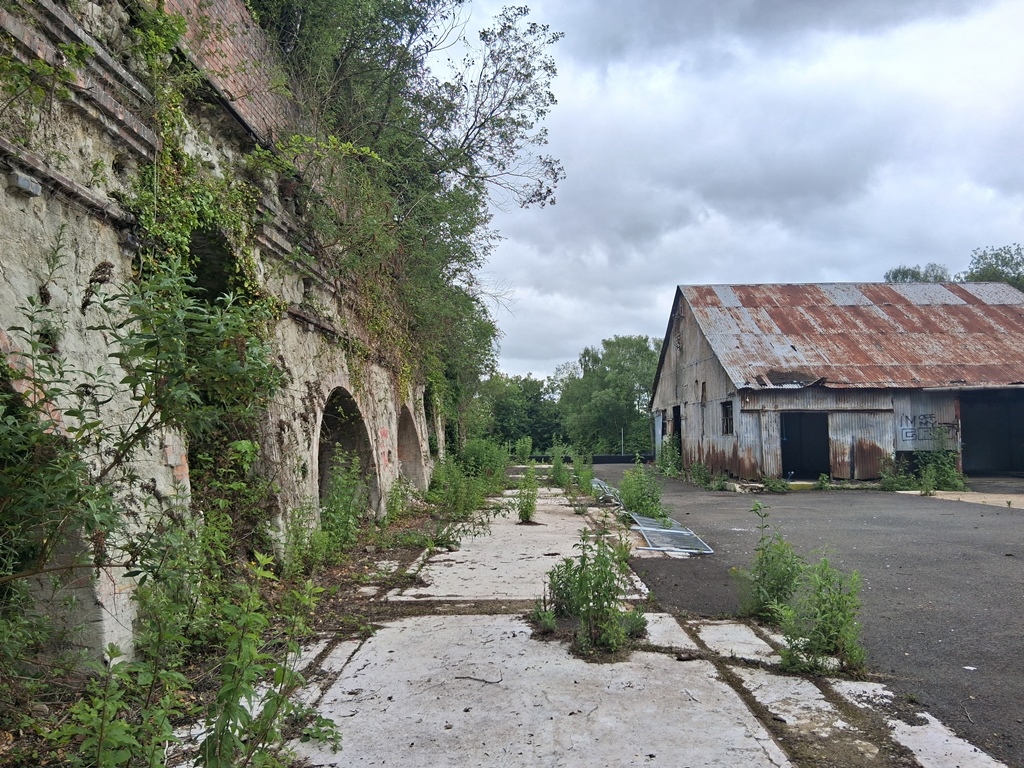
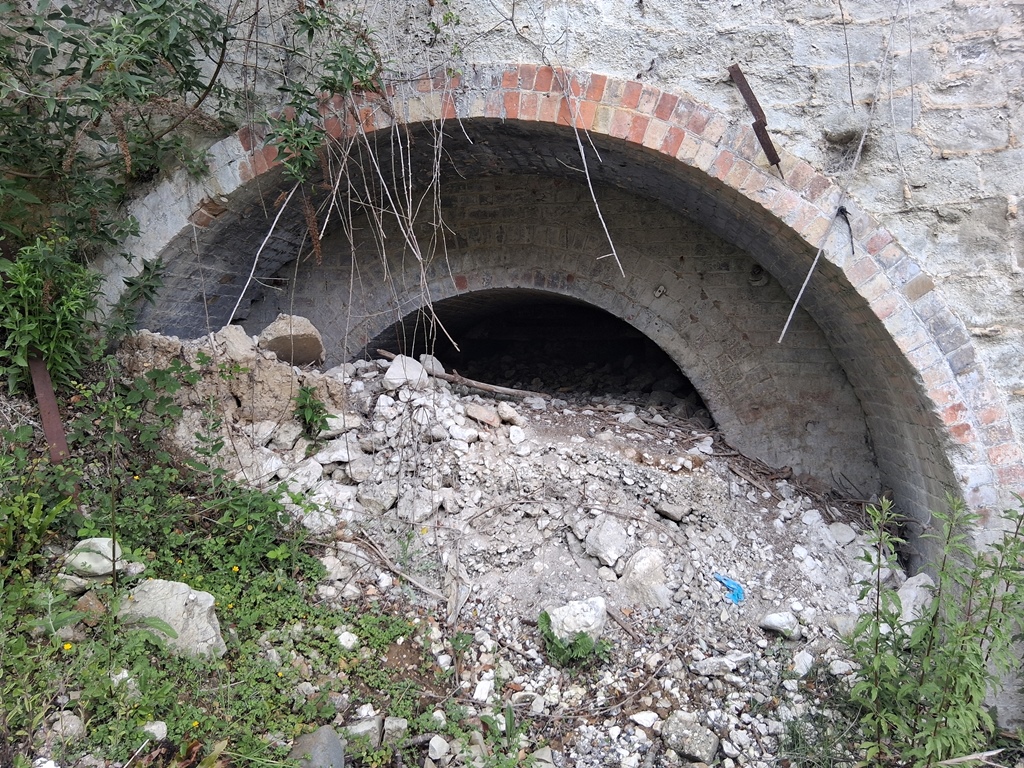
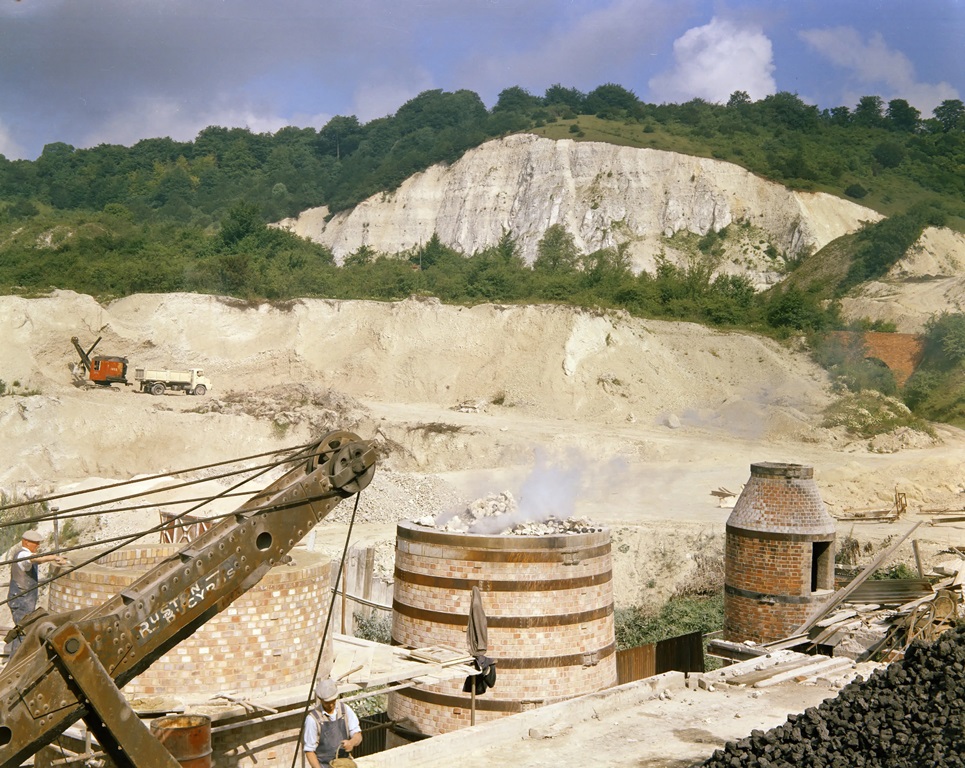
The works were managed in those early days by the engineer William Finlay; in 1866, Finlay installed the first continuous Hoffman kilns in England here and the following year added twelve conical flare kilns in two batteries either side of the quarry floor.
The works continued to develop over the next few decades, reflecting changes in demand and new technology: In 1870, the southern flare battery was converted to make 'Selenitic' lime - a hydraulic lime mixed with roughly 5% to 10% calcined gypsum (Plaster of Paris) for use in quick-drying cement. [2]
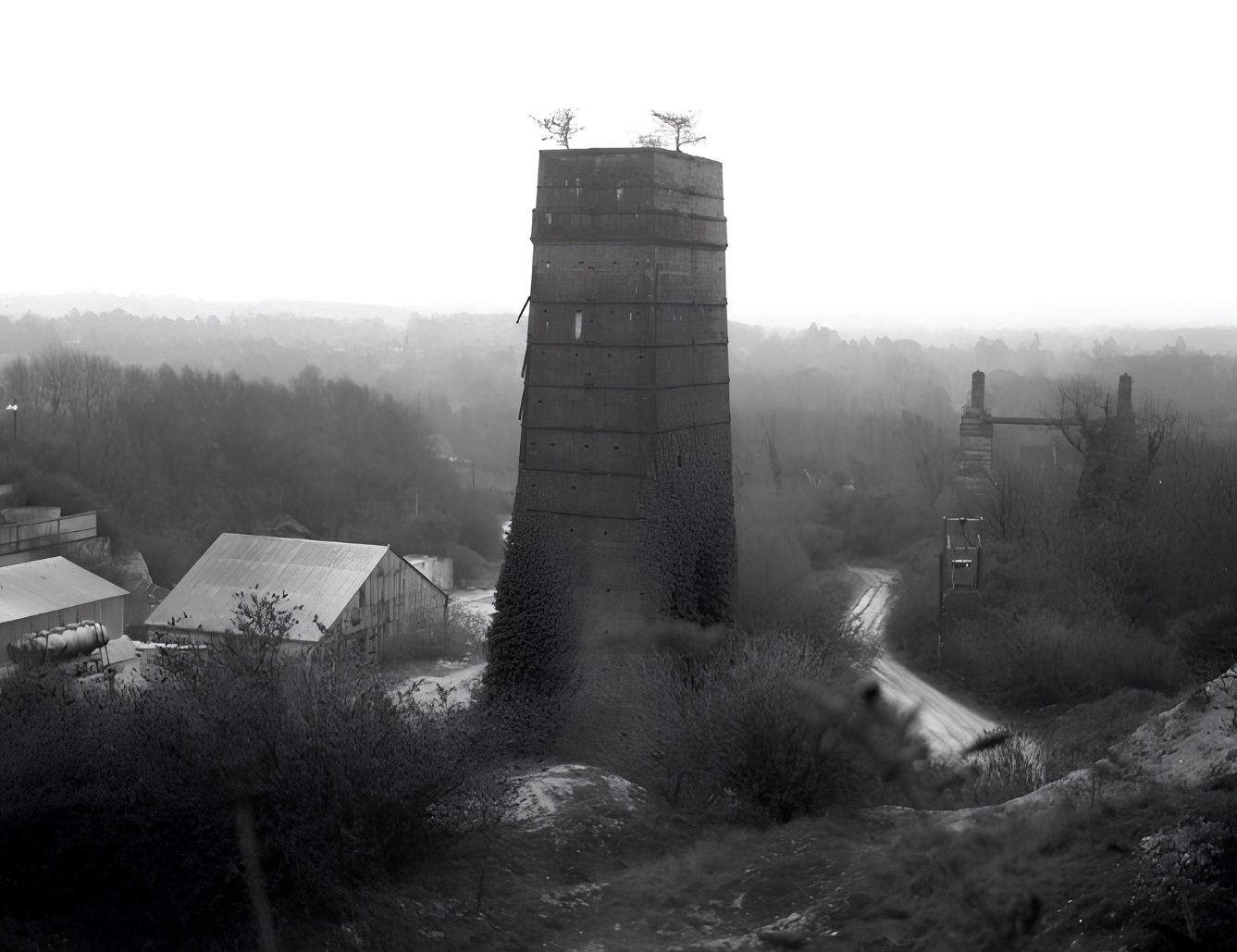
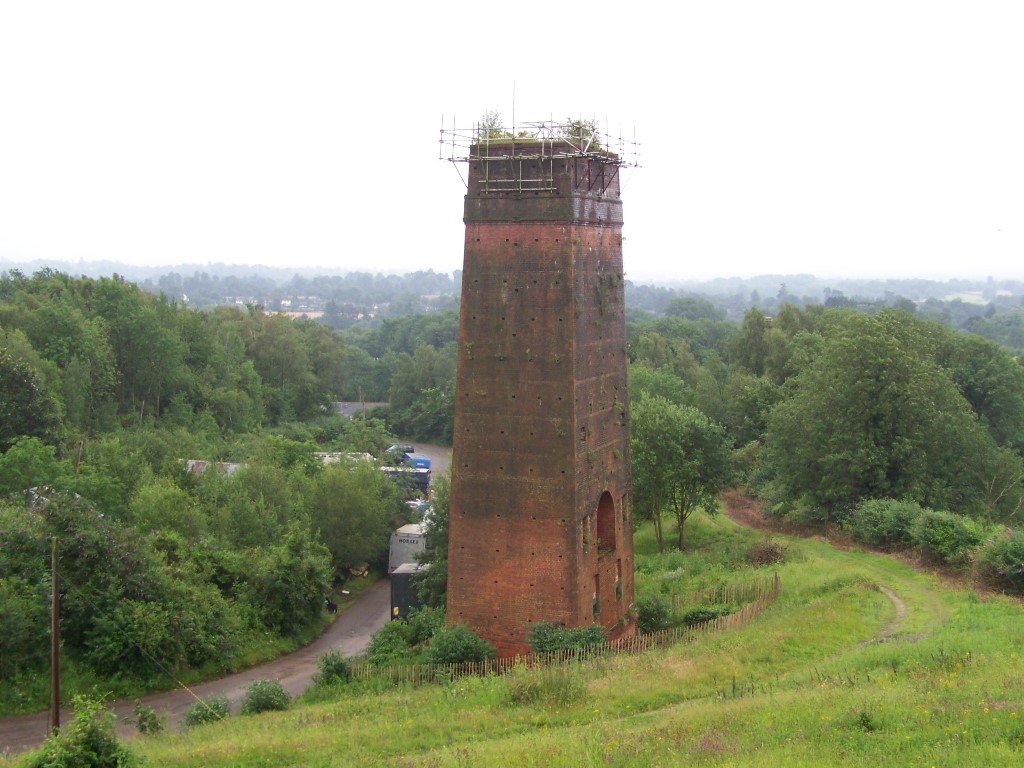
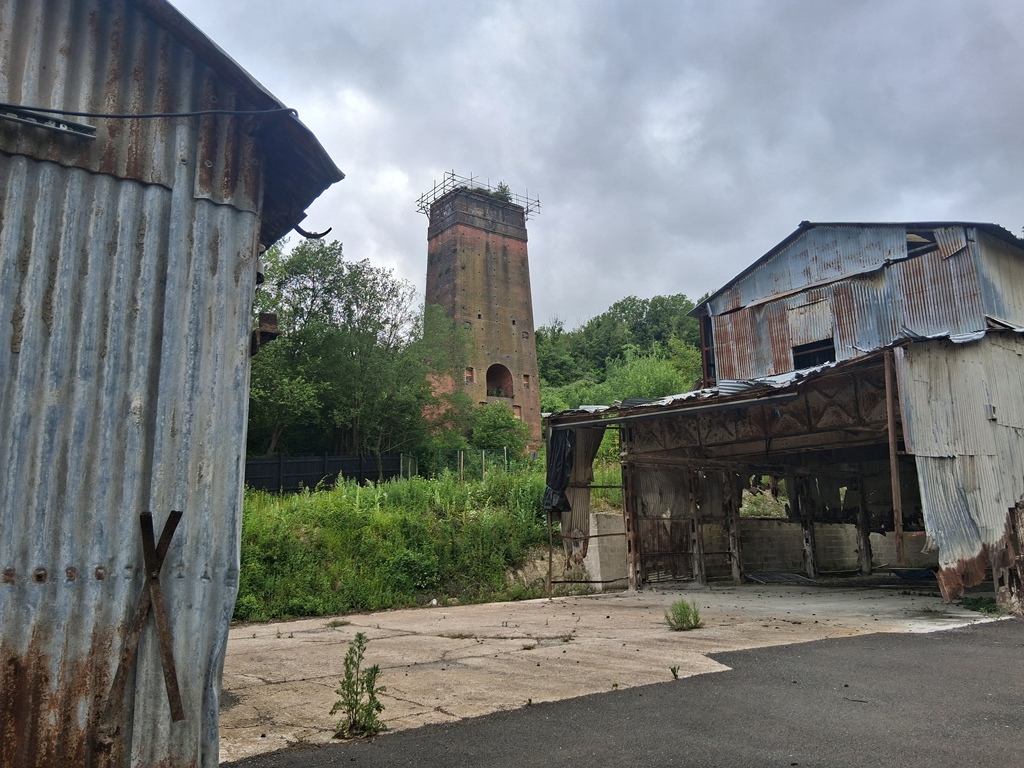
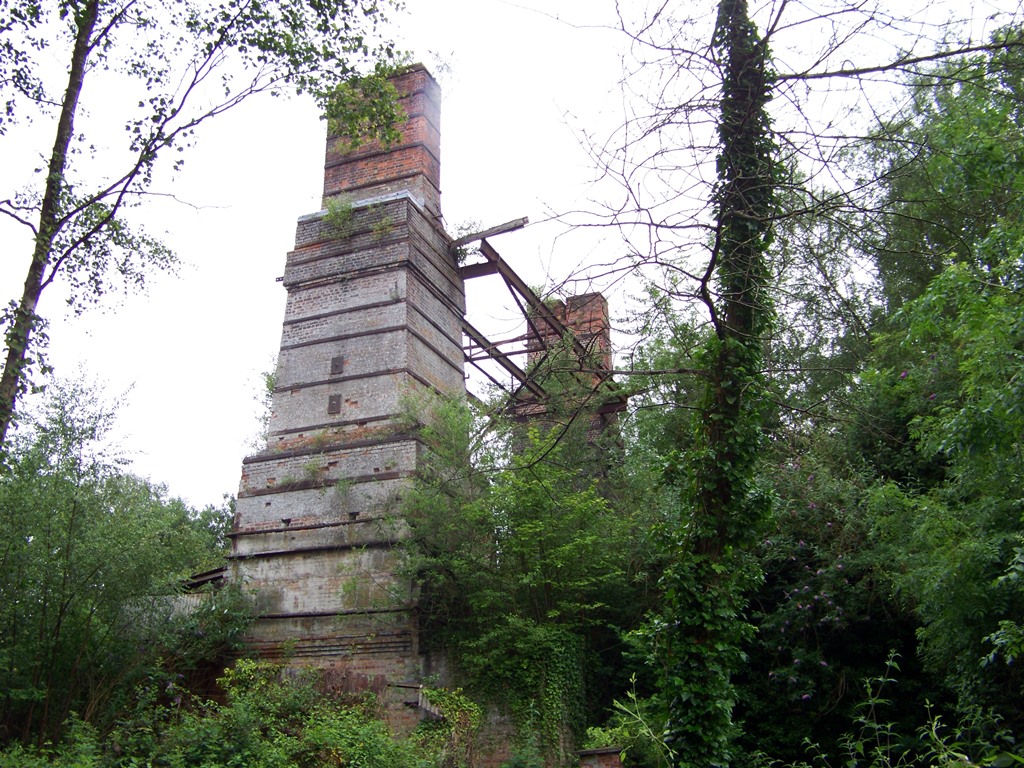
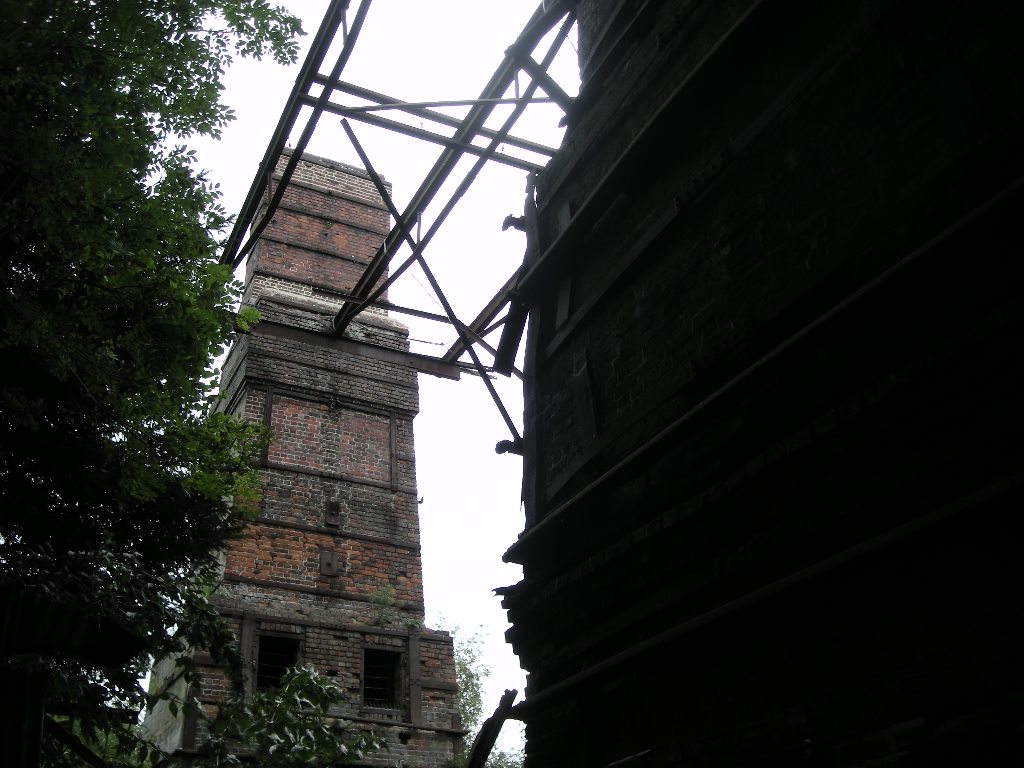
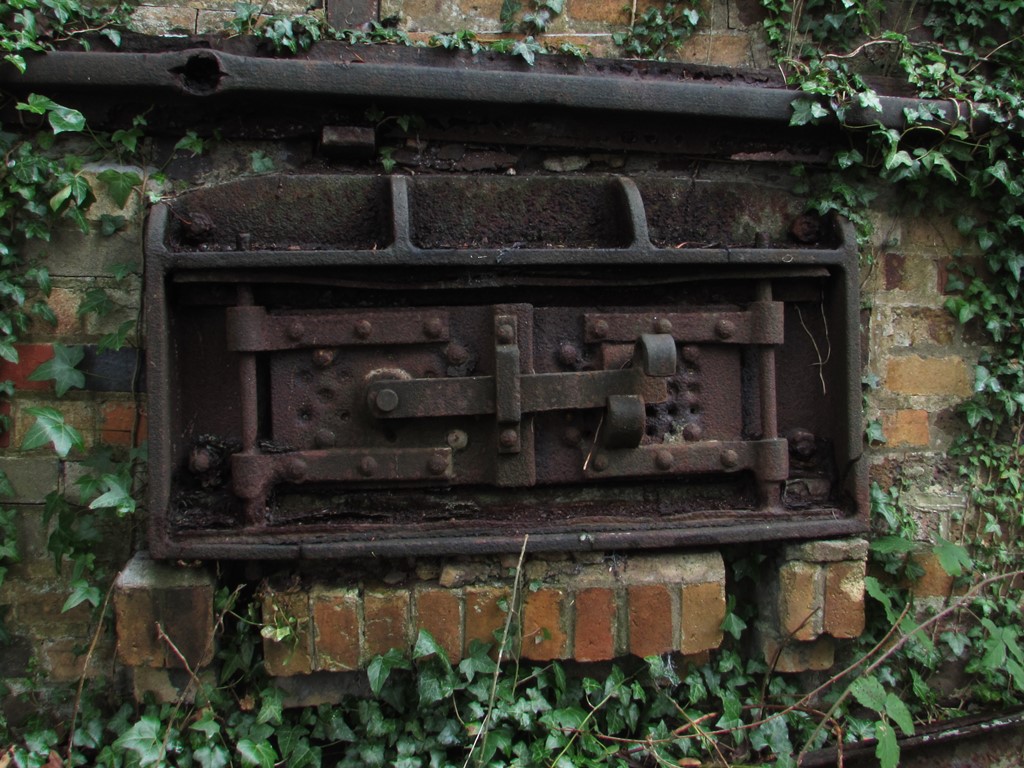
In 1887-1897 the southern battery was partly replaced by two pairs of Dietzsch kilns (a continuous upright kiln with multiple 'poke' holes to manually aid the passage of the feedstuff through the firing process) followed by a new crushing and hydrator plant immediately to the southeast. [3] Around 1900 a large Smidth kiln (an experimental modification of the Dietzsch kiln comprising two chimneys encased in a single tower) was built to the north of the works yard - for reasons unknown this was was abandoned during construction and was never fired.[4]
During the 1920s and 1930s the eastern kilns were rebuilt as continuous-burning 'Brockham-patent' kilns, devised in 1899 by Alfred Bishop at the neighbouring Brockham Lime and Hearthstone Co. [5]
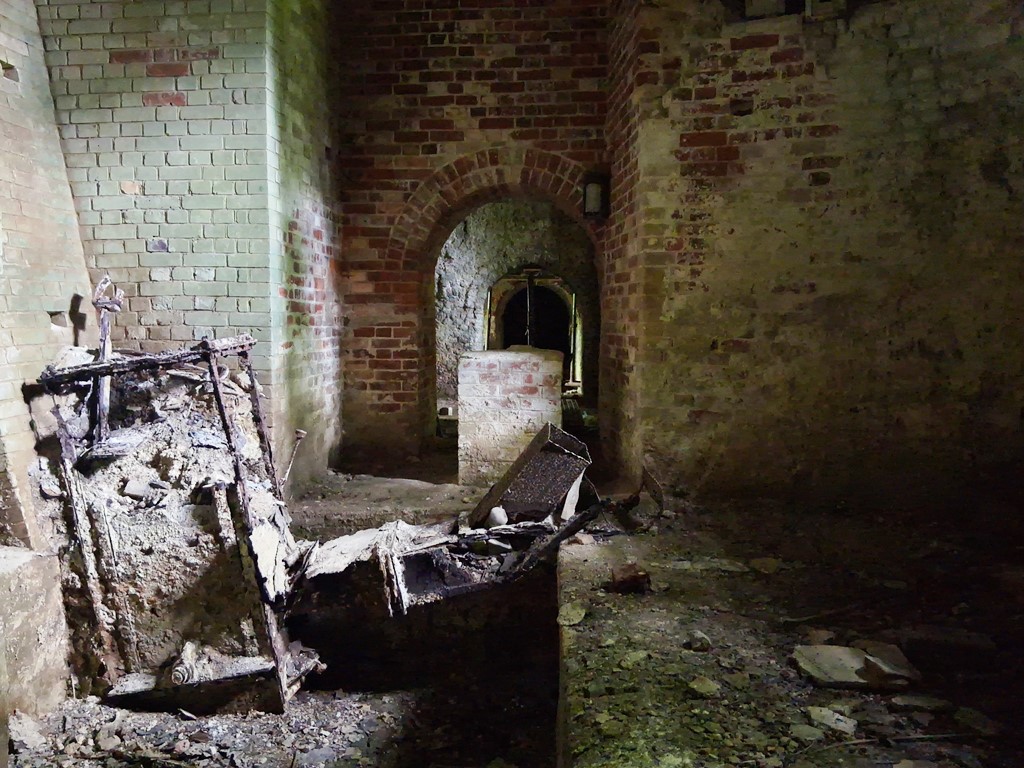
As well as grey lime for building, the works produced white lime for gas purification and sewage treatment.[3a] Also, until 1945, lump hearthstone was quarried underground, the main entrance to the mine being behind the eastern kiln battery. After this, the tunnels were sealed and only surface seams were quarried until 1950 when working ceased altogether[6].
 |
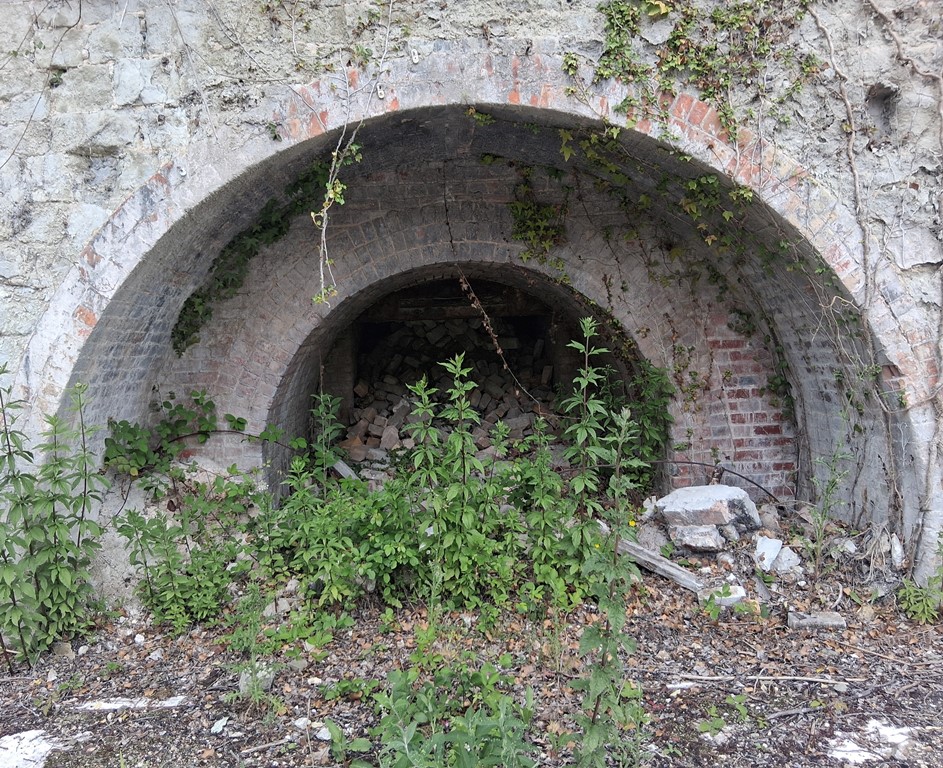
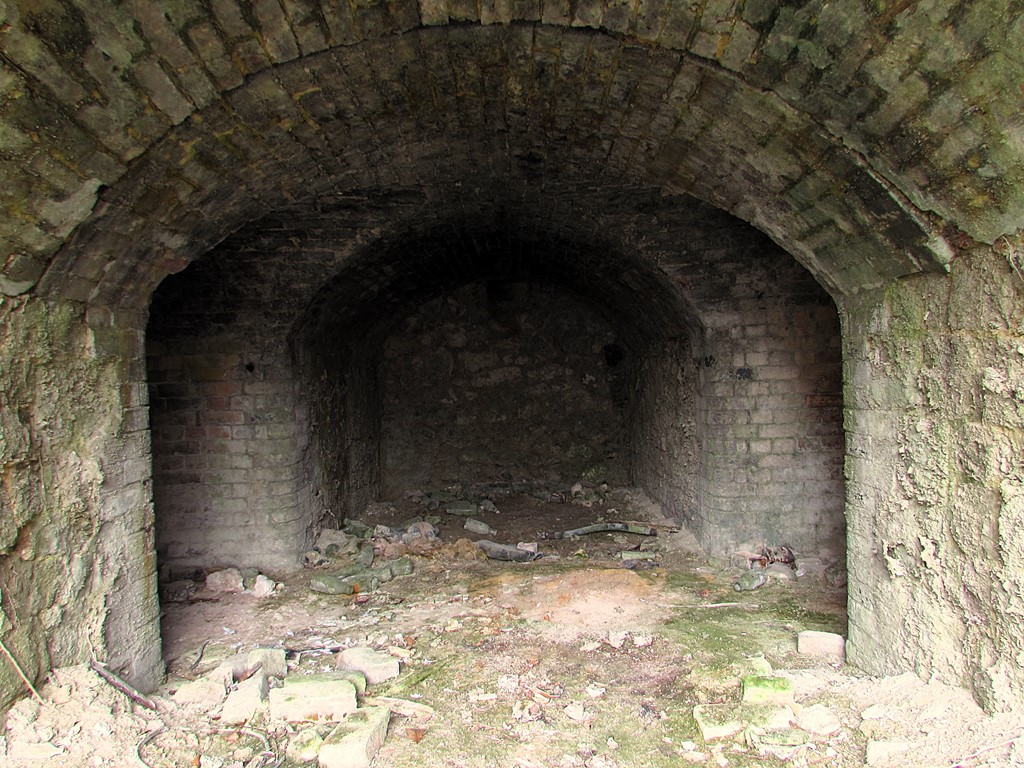
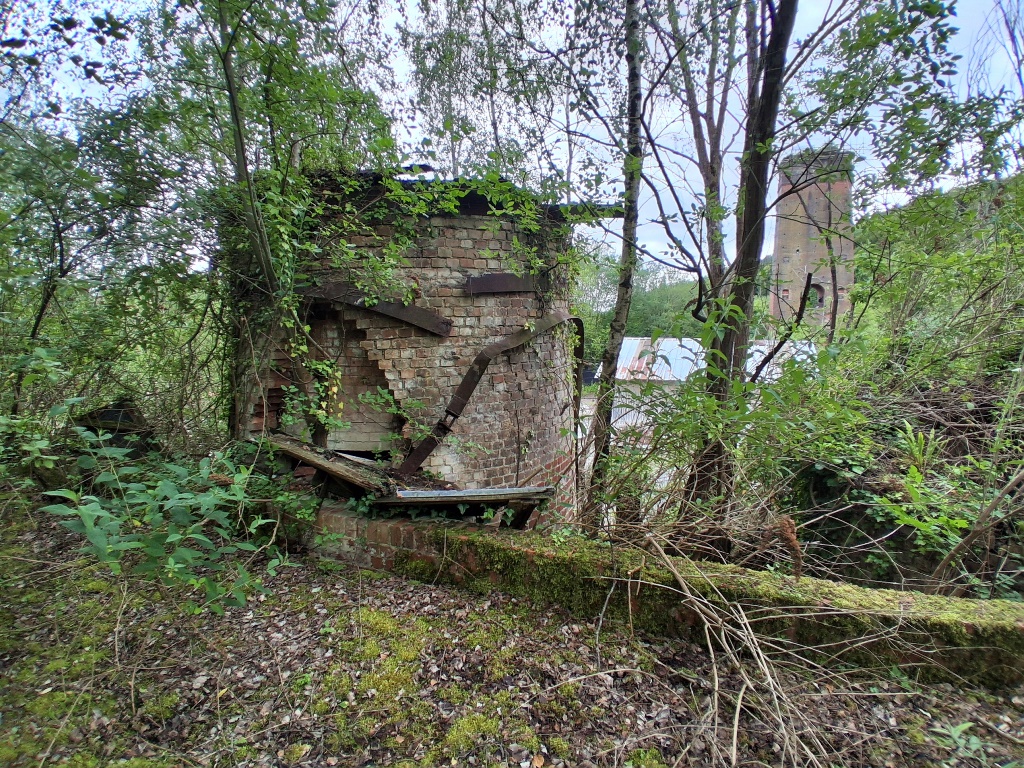
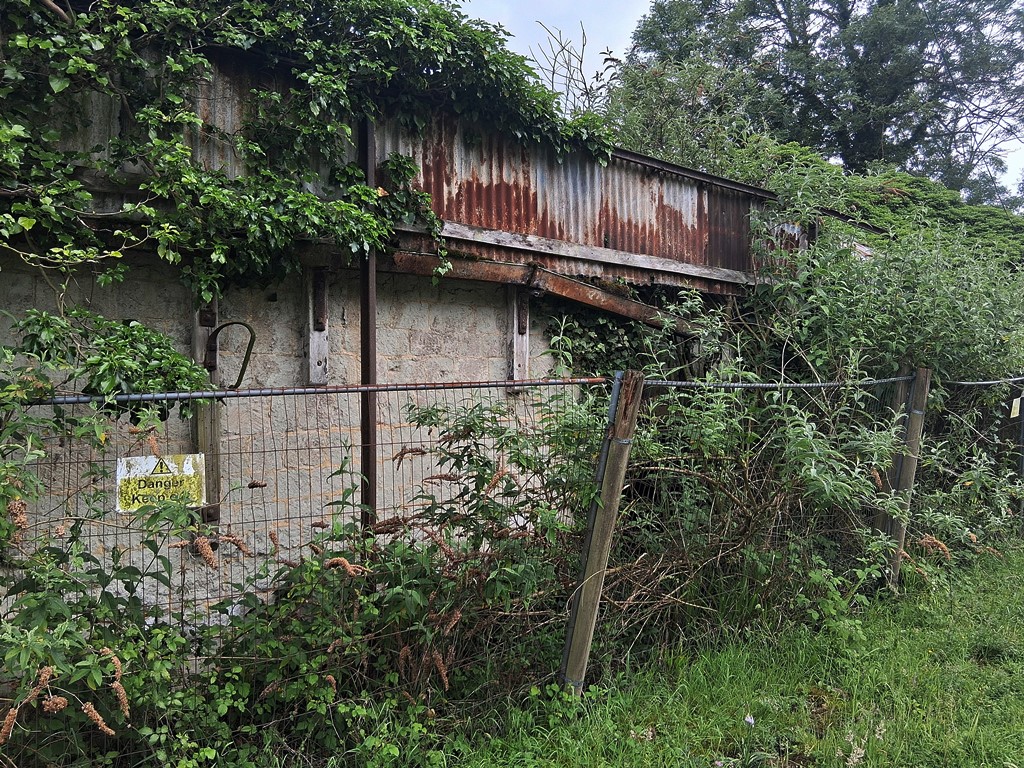
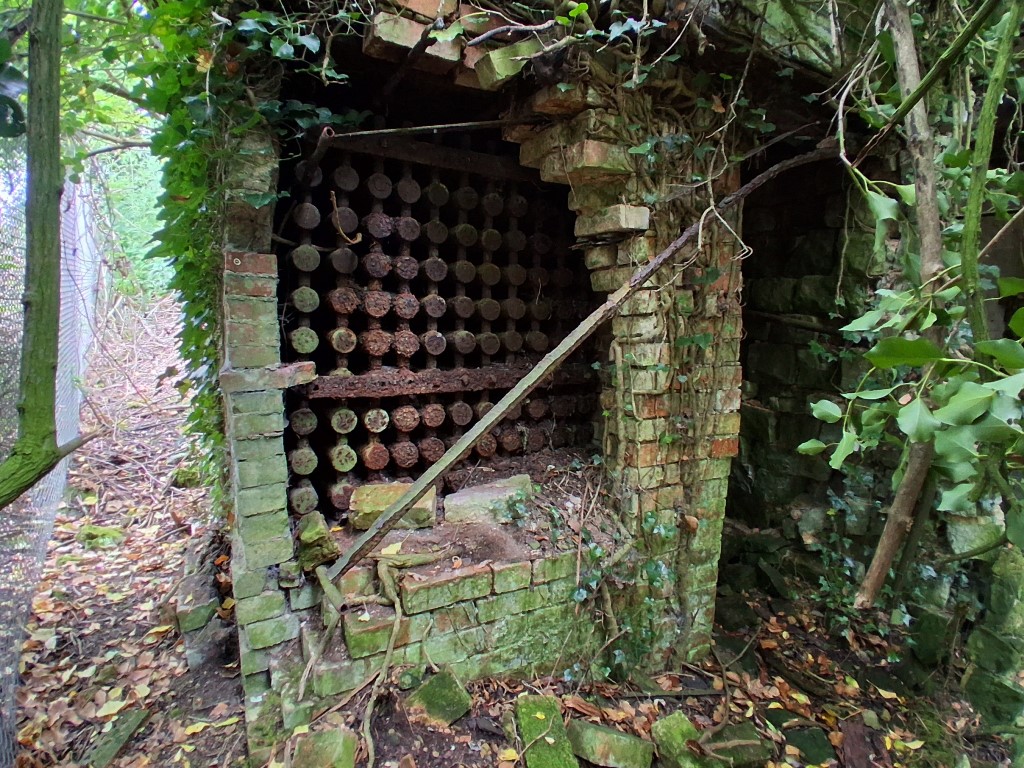
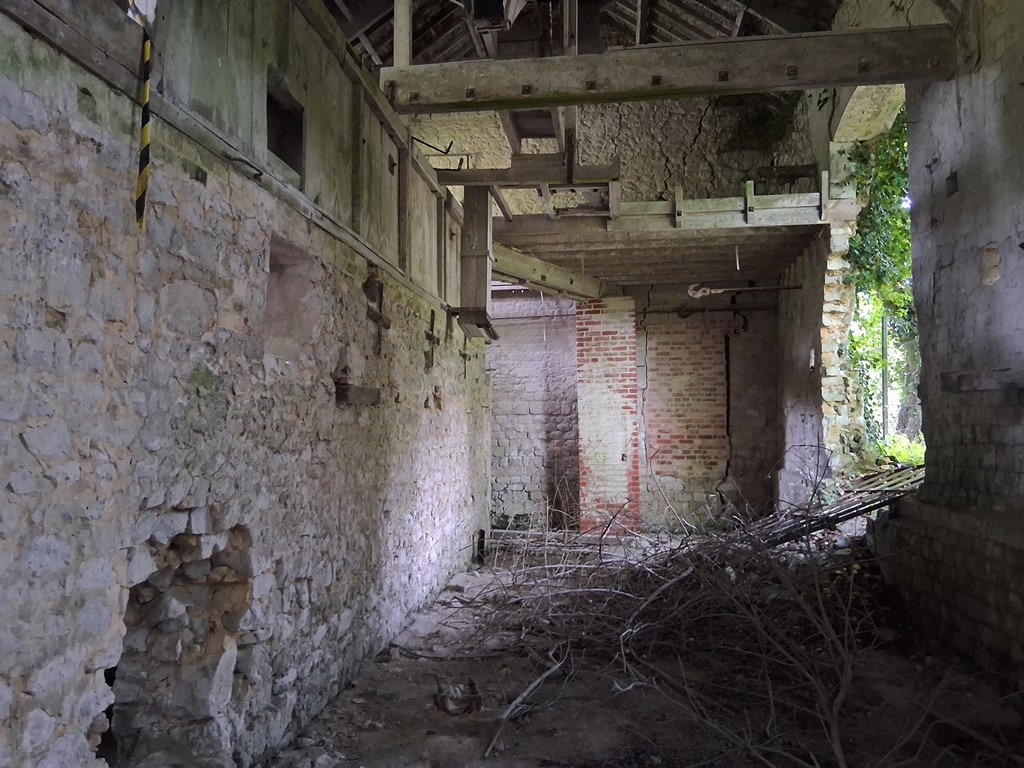
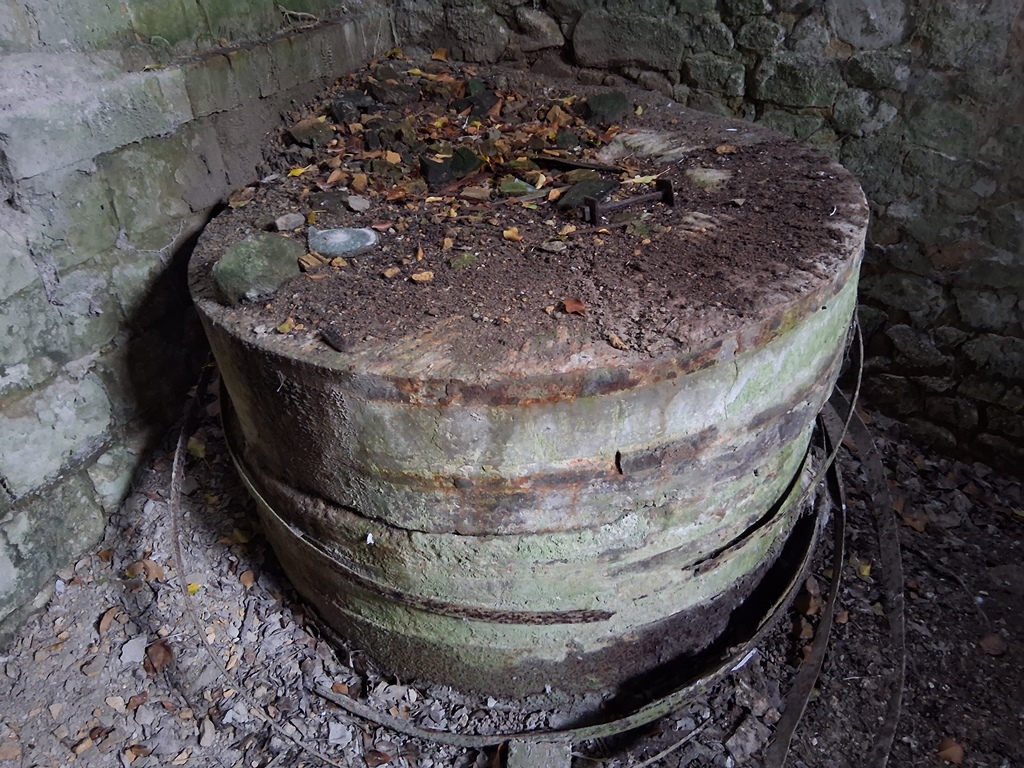
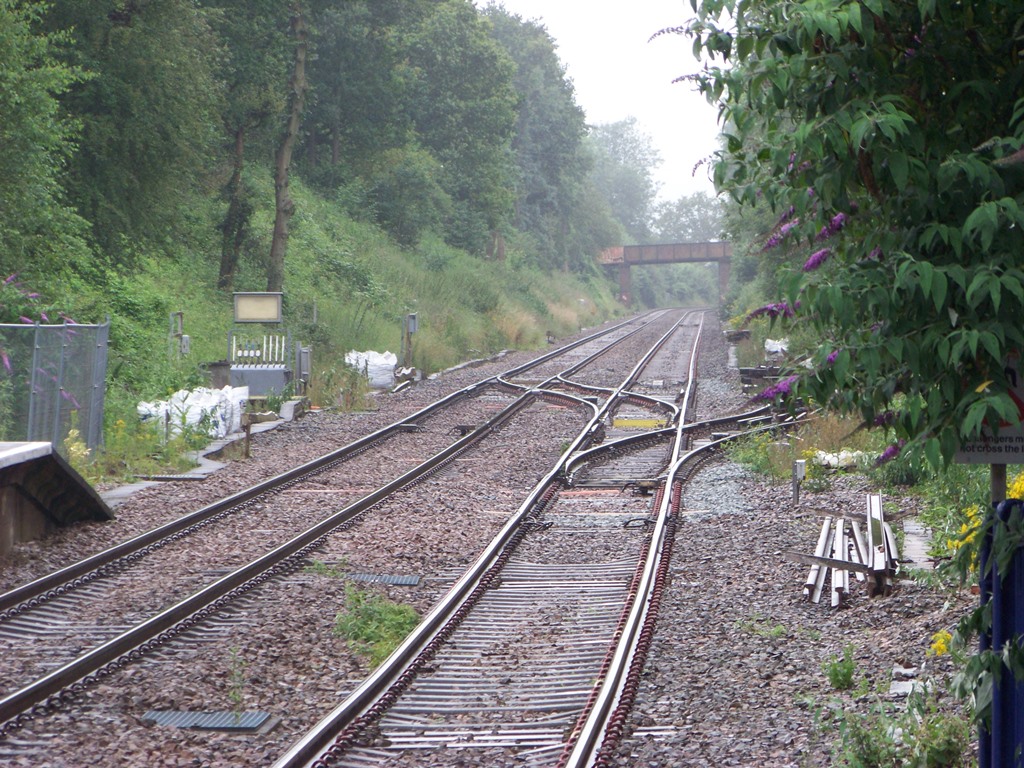
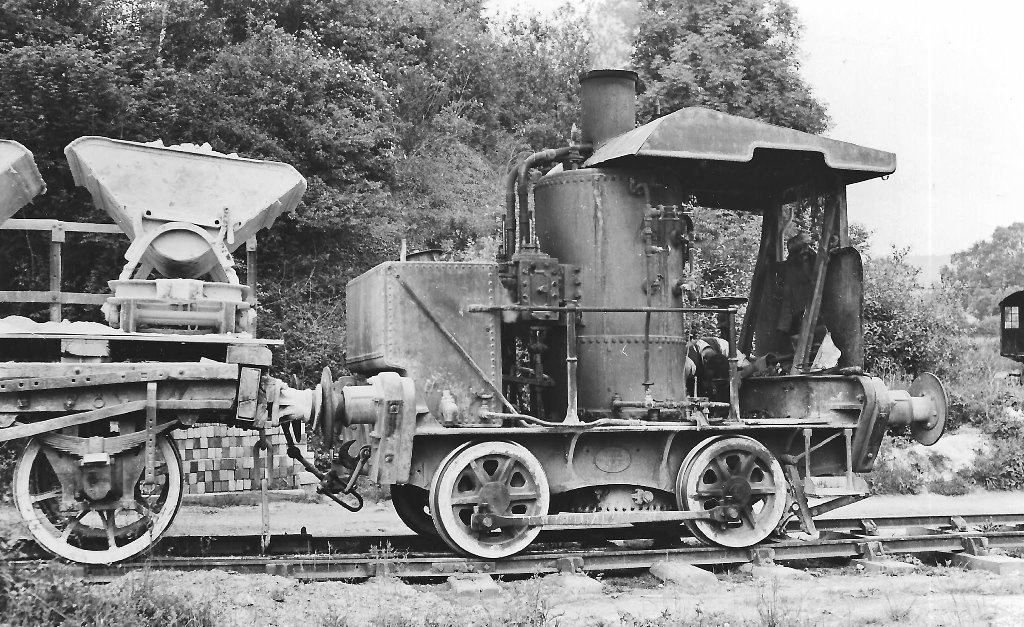
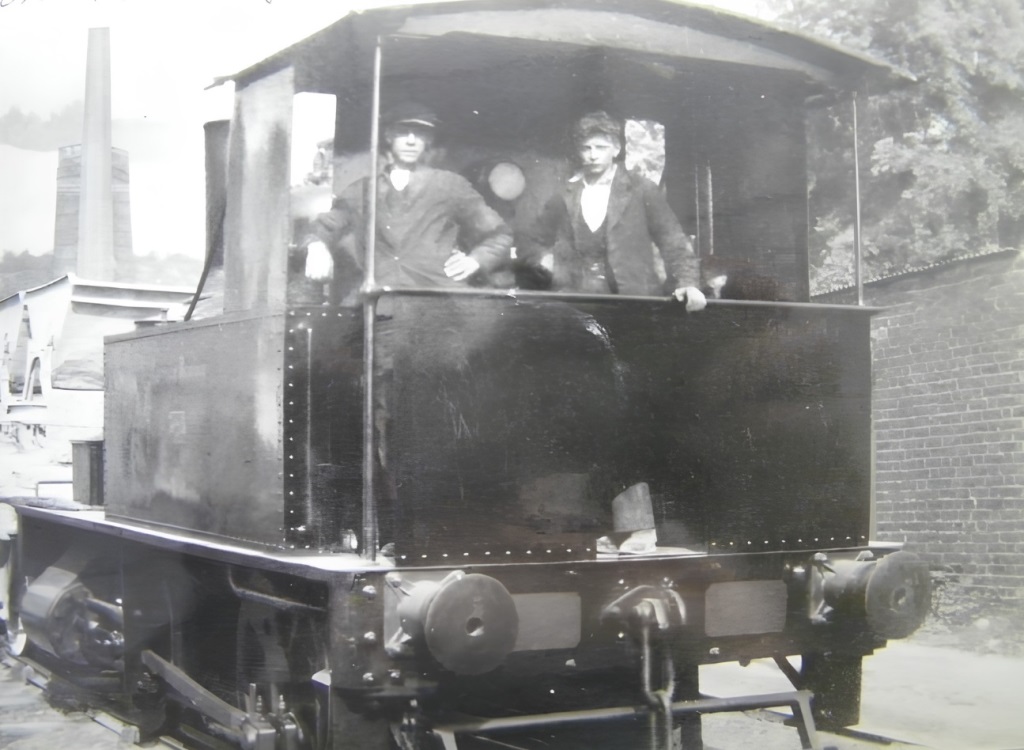
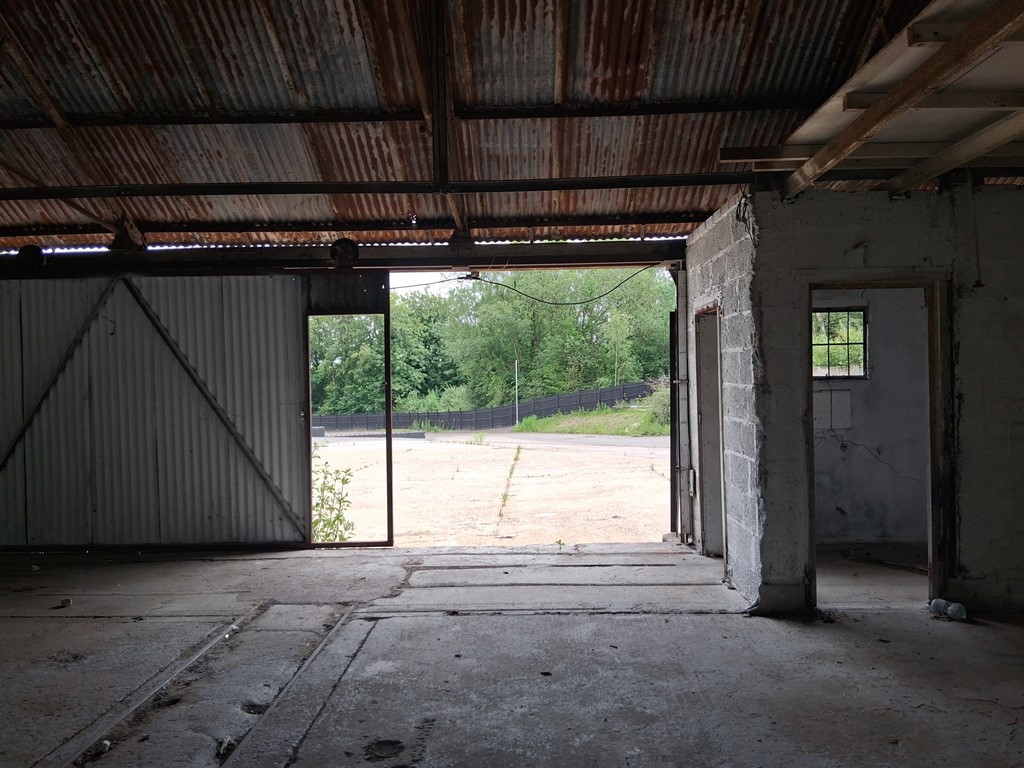
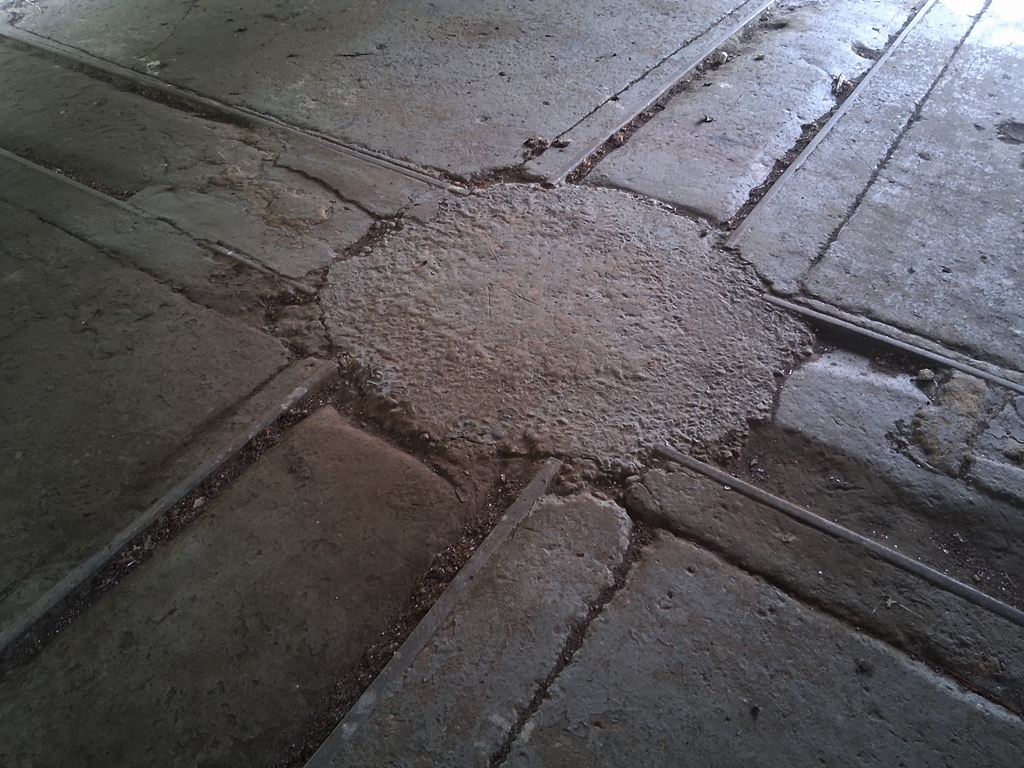
The works were linked to the main line at Betchworth Station by a standard-gauge works railway that descended by means of a steep switchback arrangement and the quarry by a series of narrow-gauge tramways. Working was initially by horse-drawn waggons - steam working was introduced to the standard-gauge sidings in 1871 (the first loco being a curious-looking vertical-boilered 0-4-0 engine nicknamed 'Coffee Pot') and to the tramways in 1880. Over the years a complex system of railway lines with no fewer than four separate gauges came to serve the quarry and works - standard gauge from the main line, 3' 2¼" from quarry to kilns, 19" to the Hearthstone mine, and a 2' line from the kilns to hydrator plant [7] - together with an aerial ropeway linking the quarry with a gantry placed above the Dietzsch kilns.[2a]
At the end of 1959, the Dorking Greystone Lime Co. ceased trading and the works became the property of the Dorking Lime Co. All rail working ended the following year[3b]; the rails were taken up and the locos and rolling stock sold off; locos No. 1 (Coffee Pot), Captain Baxter, Townsend Hook, William Finlay and diesels Nos. 6 & 7 survive to this day in preservation around the country, though not all in working order.
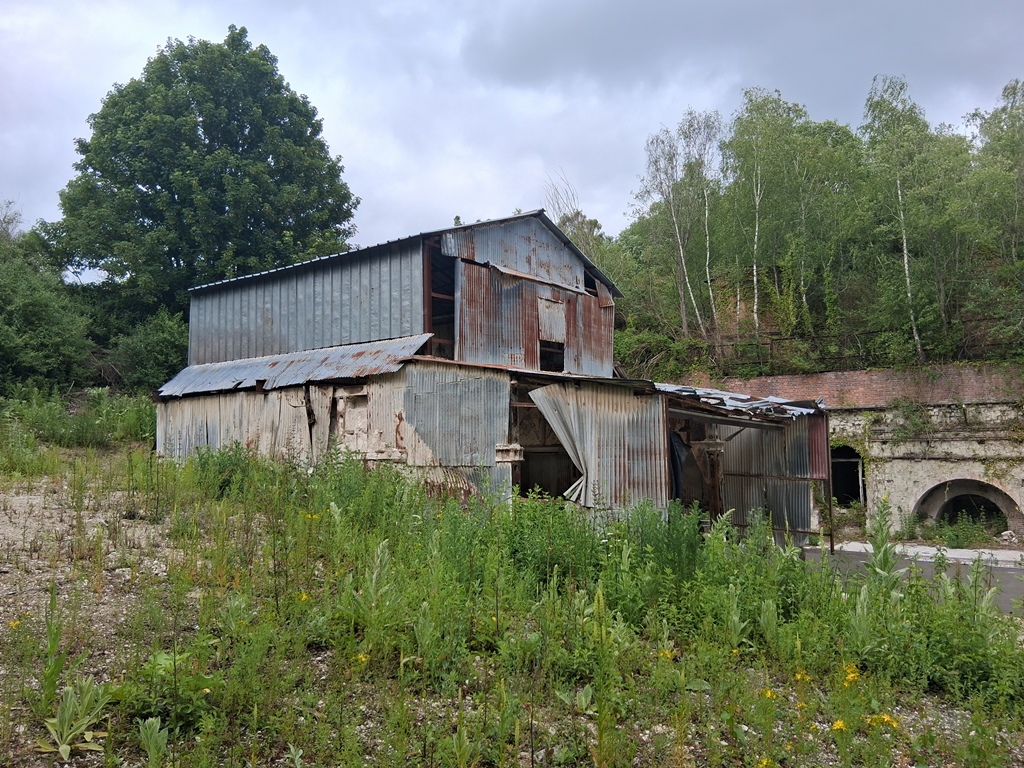
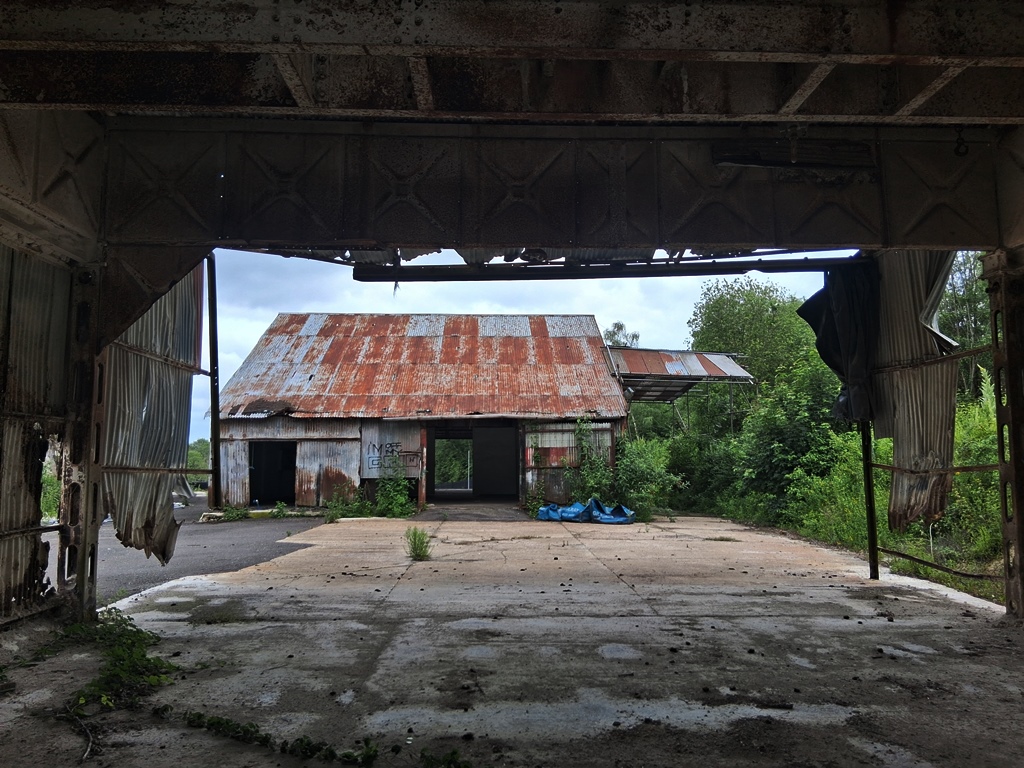
Lime-making ceased c. 1970, the old-fashioned works unable to compete with larger quarries like Buxton in Derbyshire. In 1984, permission was granted for part of the quarry to be filled with spoil excavated during the construction of Gatwick Airport's North Terminal [8] and four years later, landowners Nionisle were given permission to accept commercial and industrial waste for landfill, which continued until 2002. The works yard was used for many years as a haulage and scrap yard, but has now been cleared with the intention of being let out for 'secure open storage'.
Sources
[1]: Burgess, P. (1992) "Marden Mine, Godstone, Surrey: Preservation of its Archaeology and Natural History" in News of the Weald Iss. 5[http://www.wcms.org.uk/cgi-bin/wcmsarchive.pl?archid=marden_mine_archaeology_autumn1992 - accessed 18/7/12][2], [2a]: Townsend, J.L. (1960) "The History of The Dorking Greystone Lime Co. Ltd. and the locomotive Townsend Hook", Narrow Gauge Railway Society, pp. 10–12.
[3],[3a],[3b]: Travis, A.S. (2004) "The Locomotives at Betchworth Lime Works in Southern England," in IA, The Journal of the Society for Industrial Archeology, Vol.30 Iss.2 [http://www.historycooperative.org/journals/sia/30.2/travis.html - accessed 18/7/12].
[4] Historic England (2004) "Lime kilns at Betchworth Quarry" [https://historicengland.org.uk/listing/the-list/list-entry/1021346?section=official-list-entry - accessed 22/6/26]
[5]: Sowan, P.W. (2008) "Factory Chimney Stacks: Some Thoughts and Some Evidence" pp 7-8 in Surrey Industrial History Group Newsletter No. 166 [http://www.sihg.org.uk/news/08nov-SIHGnews166.pdf - accessed 18/7/12]
[6]: Sowan, P.W. (2004) "Notes from an interview with Mr. Lawrence, an employee of Dorking Lime Co.Ltd., 1969" [http://www.wcms.org.uk/cgi-bin/wcmsarchive.pl?archid=bw_lawrence_dec2004 - accessed 18/7/12]
[7]: Lime, H. (2001) "The Dorking Greystone Lime Company and its Railways: A Tale of Four Gauges" pp. 350-5 in Railway Bylines, July 01.
[8]: "Gatwick spoil for quarry" p. 1 in Surrey Advertiser, No. 14636. 13 July 1984.